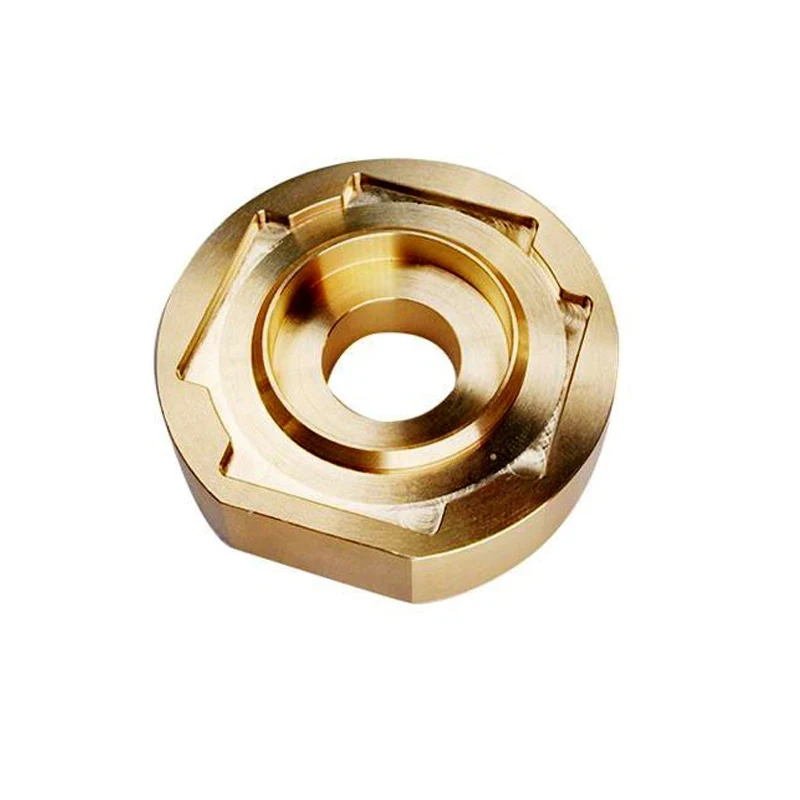
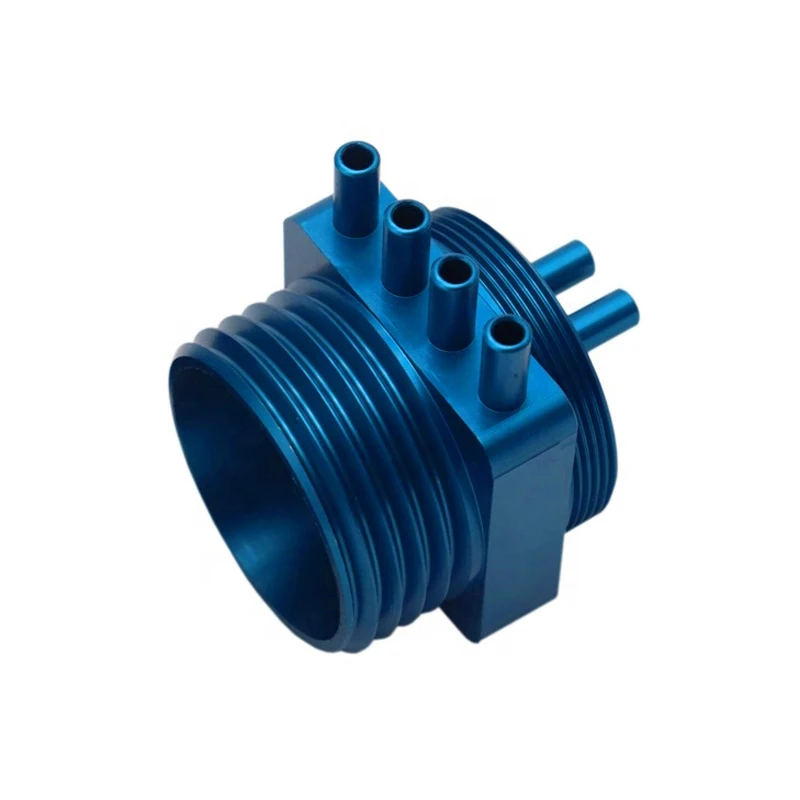
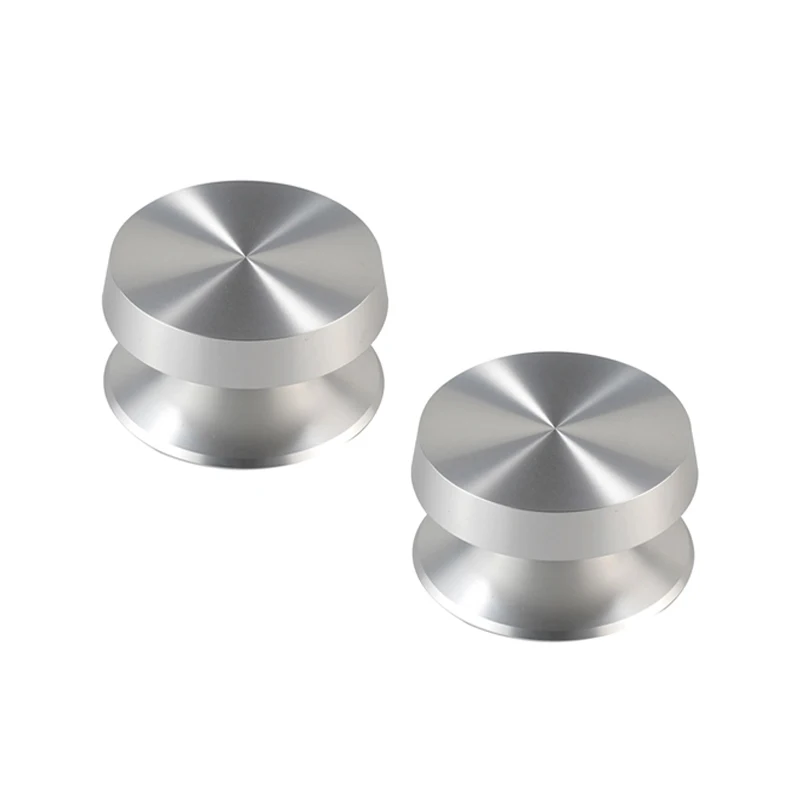
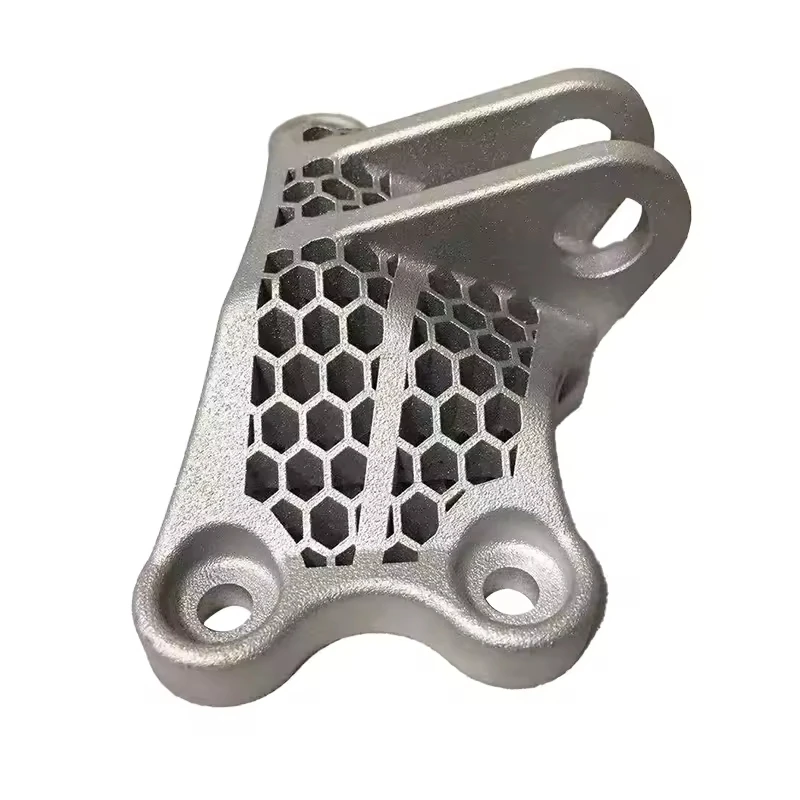
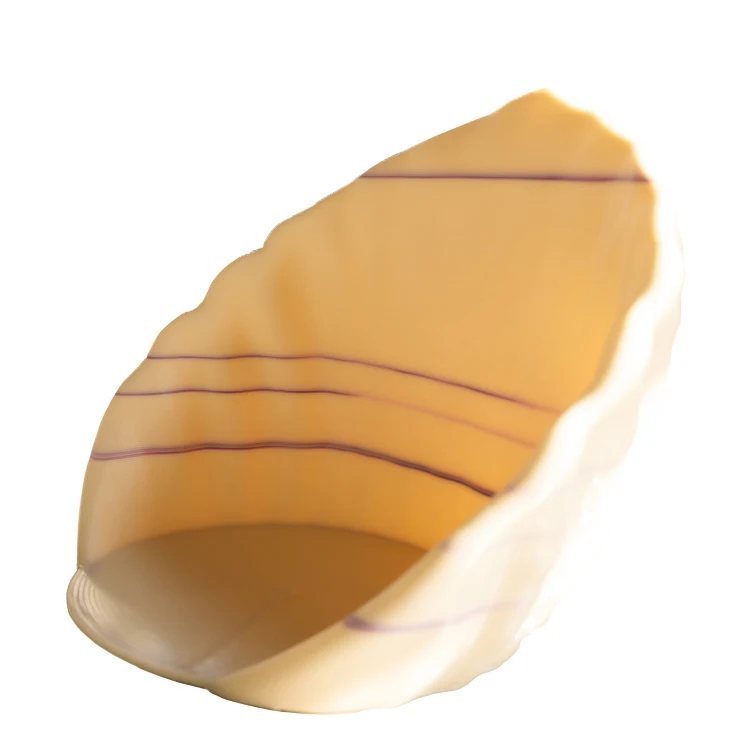
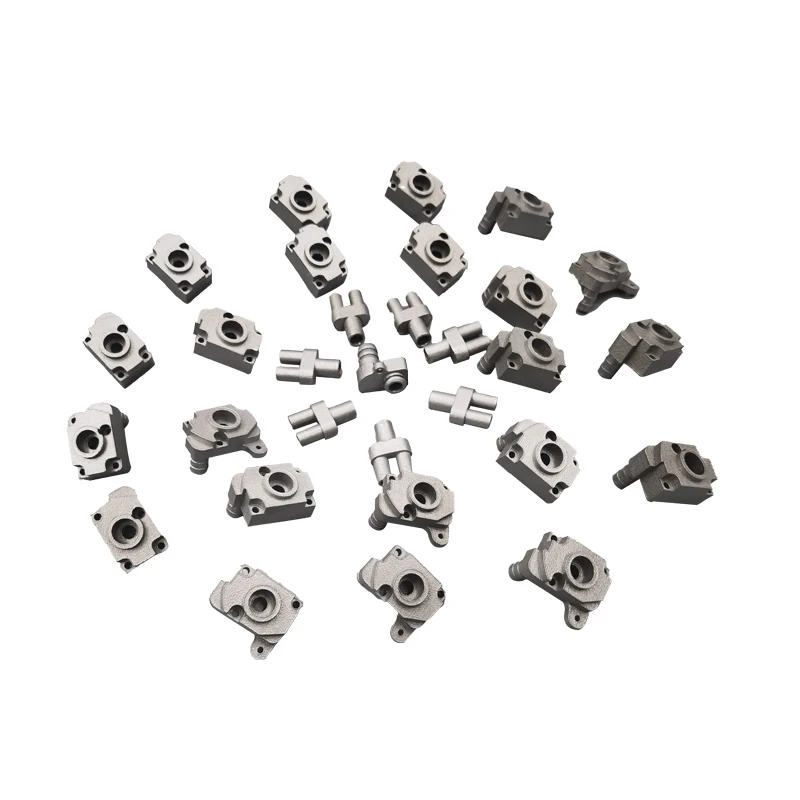
Metal 3D printers are influencing the future of manufacturing. Whale-Stone has been a pioneer in the technology that is changing the world of product manufacture. Metal 3d printing enables the creation of complex parts and shapes with great accuracy, saving time and money that can be invested in further innovations
Metal 3D printing is revolutionizing the manufacturing world, making it easier and more cost-effective to create metal parts. Unlike with conventional manufacturing processes involving cast molds or tooling, the parts are directly 3D-printed layer by layer in metal 3d printing service. This means that makes it possible to easily modify and customize the designs without expensive retooling. Whale-Stone employs this technology to deliver novel solutions to our customers with shorter lead times and more efficient manufacturing
A big benefit of metal 3D printing is that it reduces costs and time in production. Traditional production methods may have long lead times and expensive setup costs, but metal 3D printing simplifies production and eliminates material waste. Leveraging Whale-Stone's leading position in metal 3D printing, customers will be able to enjoy shortened product cycle times, reduced material and labor costs. With lower costs across the board and improved efficiency, 3d printable metal can be a game changer for any company looking to maintain their competitive edge in today’s high speed environment. Adopting this leading-edge technology will allow companies to maximize their production and create innovative applications for industry.
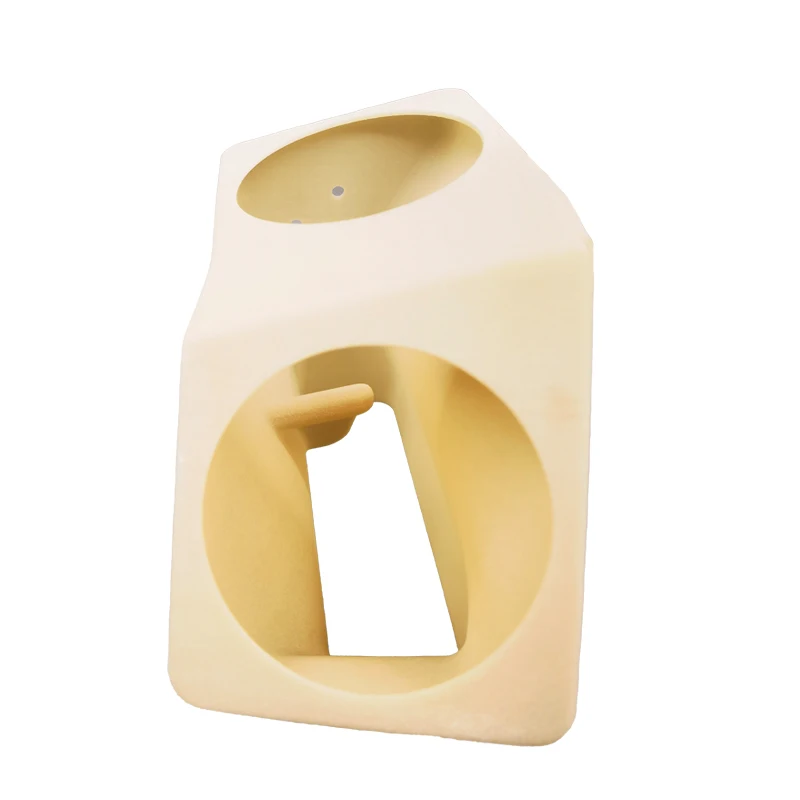
Metal 3D printing or metal additive manufacturing is changing the way we design and produce complex products, such as automobile parts. It doesn’t use traditional method like casting or machining, but it instead builds up objects layer by layer out of metal powder that a laser has melted. With this technology, designs and shapes can be produced that were once not possible. This demand is driving sectors such as aeronautics, automotive and medical to increasingly adopt metal 3D printing, which can be used to make lighter, stronger parts. The future of manufacturing is metal 3D printing: Click To Tweet By harnessing new materials and methods, the future of manufacturing looks brighter by the day.
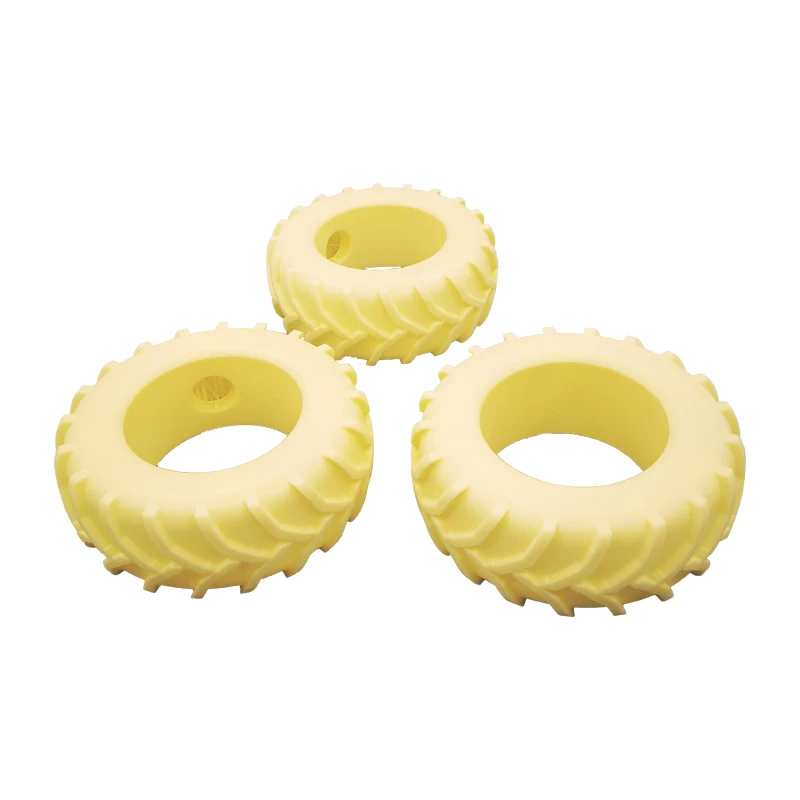
When comparing metal 3D printing to conventional manufacturing processes, there’s a handful of main points that jump out. Classic techniques such as casting and machining are based on cutting material away from a bigger piece to form the desired shape. This can lead to wasted material as well as longer lead times. Metal 3D printing, on the other hand, is relatively efficient and leaves less waste behind while complex parts can be machined quickly. Traditional methods are well-served for mass production processes, though metal printing is a strong performer for low-volume, bespoke or prototype manufacturing. With further advancement of the technology and cost making it an option for more companies, metal 3d printing is about to become a kingmaker in manufacturing.
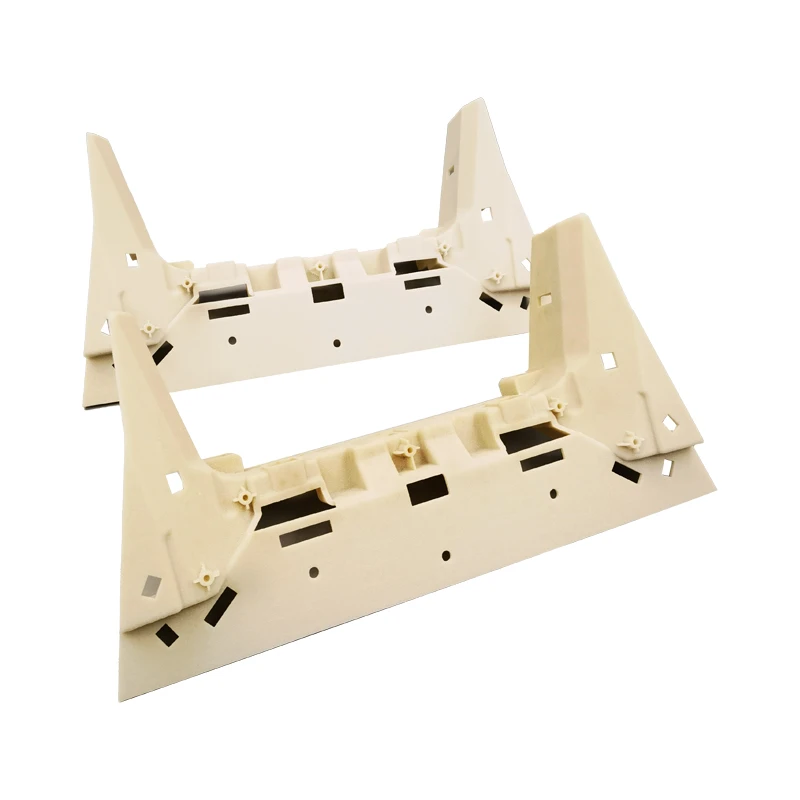
There are some vital questions to be asked before buying into metal 3D printing. First, think about your production requirements. Metal additive manufacturing can be suitable for small batch or highly customized production but it may not be economical for mass production. Secondly, what materials do work with the type of metal 3D printing technology that you are aiming at? Some machines may be restricted in the metals they can accommodate. Third: How much have you set aside for metal 3D printing technology? But metal 3D Printing is and has been less affordable for years – it will cost you! After properly assessing the production demand, material needs and budget limits, you then can decide whether there is a solution like metal 3D printing that matches your business.
We emphasize fast response times with 24/7 online support, fast printing speeds, and stringent quality controls, enabling quick-turn prototyping, first-article customization, and efficient small-batch manufacturing.
With dedicated automotive design and development capabilities, we support the entire vehicle development cycle from concept modeling and design verification to functional prototyping, tooling, fixtures, and small-batch production of both metal and non-metal components.
We operate seven integrated technical centers—including SLA, SLS, SLM printing, rapid mold manufacturing, and CNC machining—providing a full spectrum of additive manufacturing solutions for automotive, industrial, and product development applications.
We offer a wide range of printing materials and provide both forward design and reverse engineering services, allowing for tailored material performance and complete design-to-production support for diverse industrial needs.

WHALE STONE 3d We are committed to providing customers with SLA printing, SLS nylon printing, SLM printing, CNC Machining,small batch compound mold rapid manufacturing services.
4th Floor, 4483 Wuzhong Avenue, Suzhou, Jiangsu, China
Copyright © 2024 WHALE STONE 3d All Rights Reserved. Privacy Policy - Blog

 EN
EN