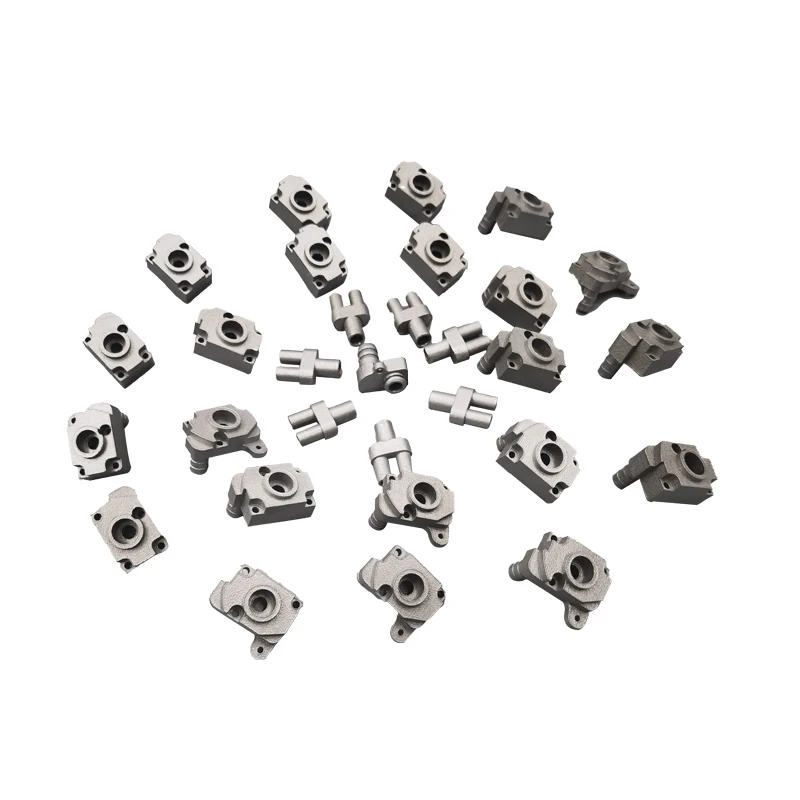
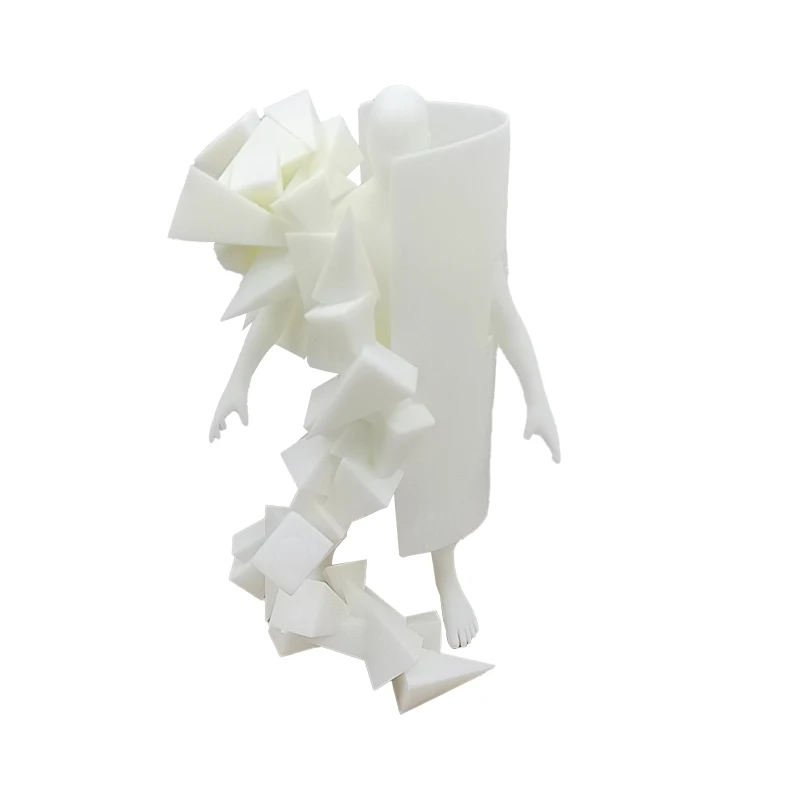
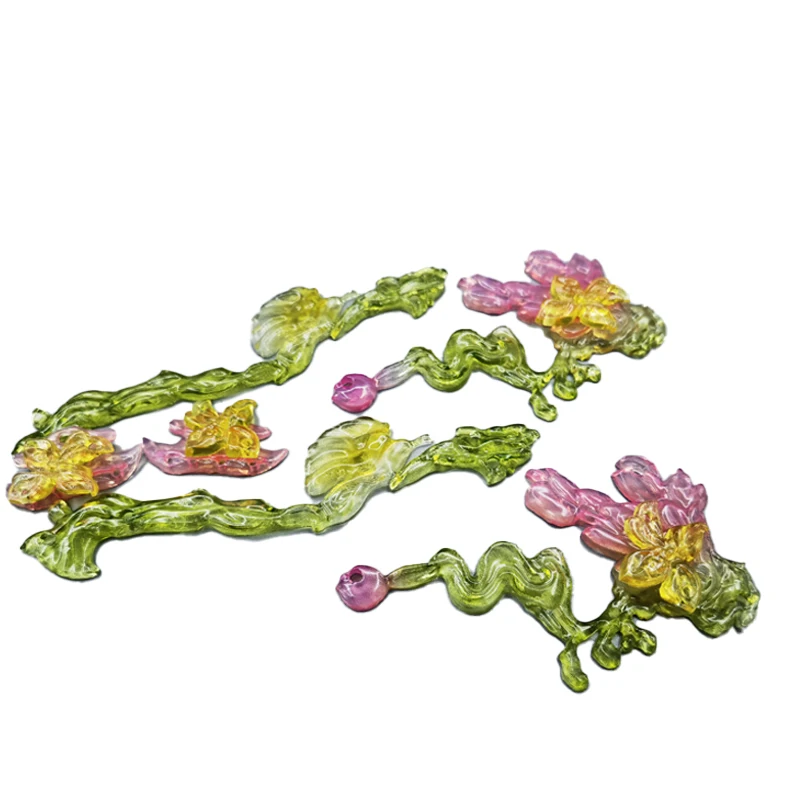
3D printing is a nifty technology that can make just about anything, especially metal parts. Whale-Stone is “very excited” about how the process can be used with metal casting. Metal casting is what it sounds like: We heat up a pool of liquid metal, dump it into a mold and then let the whole thing cool so that we’re left with an object made of solid metal. 3D printing allows us to make the shapes we need much more quickly and with less waste.” This technology is a big deal in some factories. It allows us to create parts that are strong and can be made with lots of detail, for things like cars, machines or aircraft. We thinks that 3D printing will continue to expand and assist industries in the development of better products faster.
Advantages of 3D printing for metal casting The first is that “you can make really complicated shapes that were difficult to make before. That means we can design components that are lighter and stronger. For instance, if you are looking for a part with several small holes in it, 3D printing can do that fairly easily. Old ways might be slower and use more material. Plus, epoxy resin 3d printing can be faster. In place of waiting days or weeks for a part fabricated, we can have one in hours.
Our features tools and services that support 3D printed metal parts. One of the best ways to see what’s new as a company and an industry is by attending trade shows and expos. At such events, firms like Whale-Stone pitch their new technologies and products. You also get to see how 3D printing works in person and can even chat with experts who may answer your questions. Another avenue to look up 3D printing solutions is online. Our company has a Web site here with more details about their services and the latest developments in 3-D printing. You can read articles, watch videos and even attend webinars. These Internet resources then let you learn from anywhere, any time.
Schools and colleges are also a good place to find new ideas. Most schools are being taught about 3D printing and metal casting as a part of their curriculums today. Some schools have workshops where students can experiment with the concept of 3D printing firsthand. In some cases, we partners with these schools to supply equipment or training as well. This way, students get to see how the technology works and understand how it can be applicable to the real world. Libraries can also be useful. Some libraries offer 3D printers that people can use for free or a nominal fee. You can go there and request help on creating your own designs for metal casting. And as you find out these choices, you will see a lot of different ways to learn about 3D printing and the way it can help to create metal pieces.
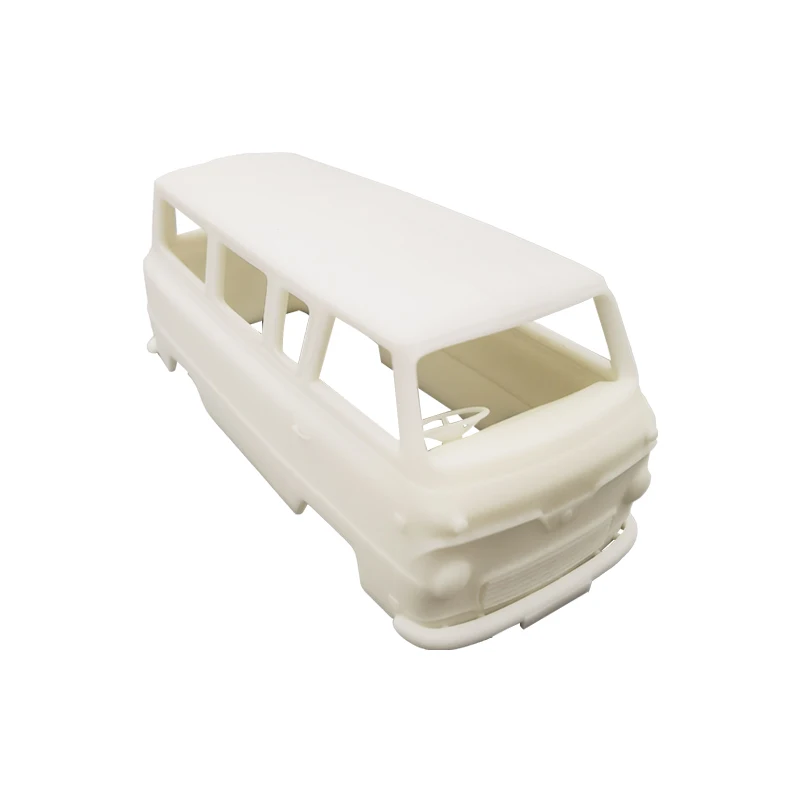
The metal casting 3D printing world is projected to expand at a rapid pace with Whale-Stone leading the way. What's really trending: use of new material. Previously, when metals were 3D printed for casting, only a small number of types of metal were used. Now companies are trying out a range of materials to make parts stronger and lighter. Some are experimenting with special alloys that can withstand blistering heat. That’s key for industries like aerospace and automotive, in which components must be strong as well as lightweight. Our LTD is constantly looking for ways to improve the raw materials they work with so that all their products can always be of the greatest value.
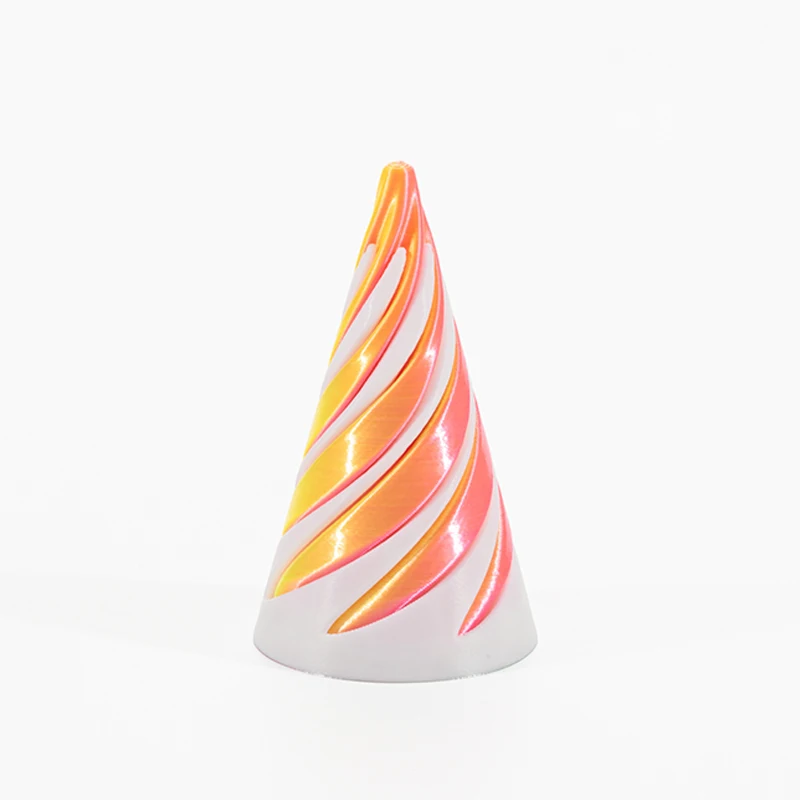
Another exciting trend is the introduction of faster technologies to print. Metal casting the old-fashioned way can take a long time, but new industrial 3d printing is making it faster. That means that companies can get parts made faster, which is a boon for businesses working under tight deadlines. Our company is putting money into these technologies in part to ensure that they can get the parts their customers need, without waiting around. And the attention to sustainability more generally is growing, too. Now, many companies are seeking to minimize the waste in their production process. 3D printing makes it easier to create what you need, and only what you need — no more and no less. Our company is doing work and hoping to promote the Eco-material and Production method in consideration of environment.
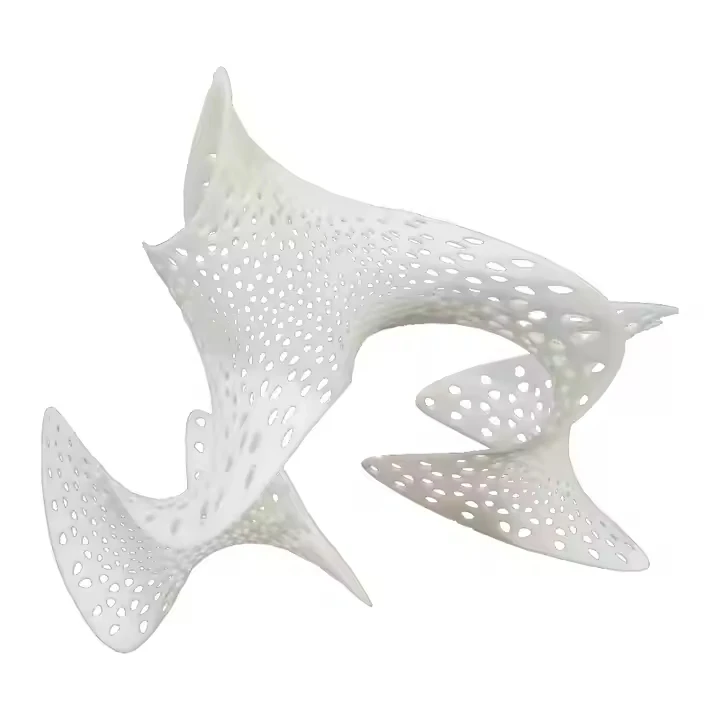
3D Printing for Metal Casting: Advantages and Limitations Though 3D printing for metal casting offers a host of advantages, it also comes with challenges. Quality is a very big issue many users of the software experience. Some items produced with uv resin 3d printing can be prone to defects or weaknesses. To combat this, firms like our company increasingly seek to enhance their printing process. They have sophisticated tools that observe the print as it happens. This is an easy way to keep tabs on any issues early and make sure the parts are high-quality. Another obstacle is finding the right design. Not all designs are 3D printable, but others might do well with 3D printing. We can provide design help for customers to make parts that are easy to print yet still meet their needs. This kind of support can be crucial to the success of a project.
With dedicated automotive design and development capabilities, we support the entire vehicle development cycle from concept modeling and design verification to functional prototyping, tooling, fixtures, and small-batch production of both metal and non-metal components.
We operate seven integrated technical centers—including SLA, SLS, SLM printing, rapid mold manufacturing, and CNC machining—providing a full spectrum of additive manufacturing solutions for automotive, industrial, and product development applications.
We offer a wide range of printing materials and provide both forward design and reverse engineering services, allowing for tailored material performance and complete design-to-production support for diverse industrial needs.
We emphasize fast response times with 24/7 online support, fast printing speeds, and stringent quality controls, enabling quick-turn prototyping, first-article customization, and efficient small-batch manufacturing.

WHALE STONE 3d We are committed to providing customers with SLA printing, SLS nylon printing, SLM printing, CNC Machining,small batch compound mold rapid manufacturing services.
4th Floor, 4483 Wuzhong Avenue, Suzhou, Jiangsu, China
Copyright © 2024 WHALE STONE 3d All Rights Reserved. Privacy Policy - Blog

 EN
EN