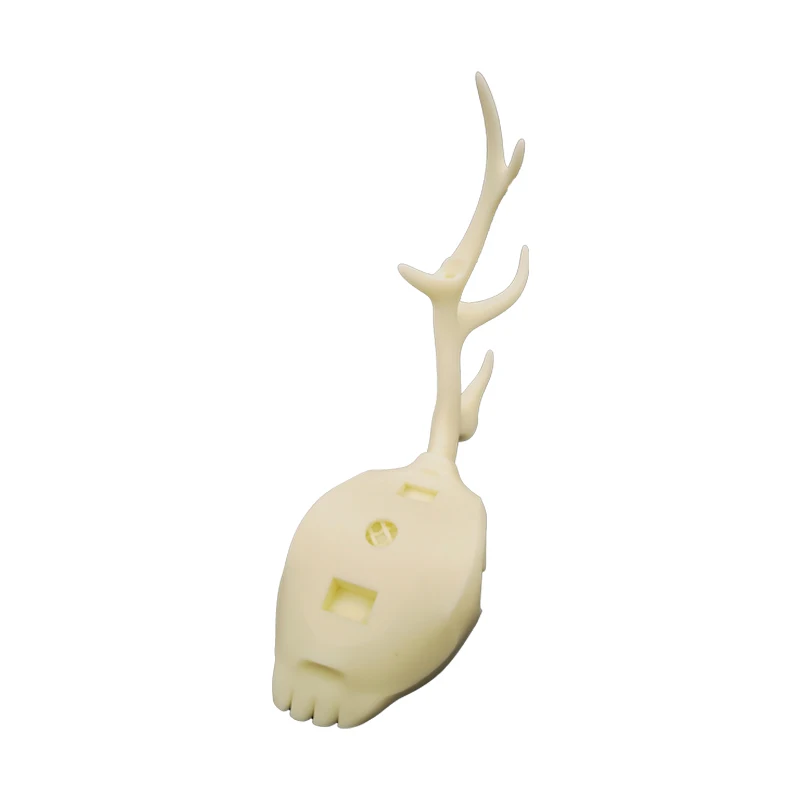
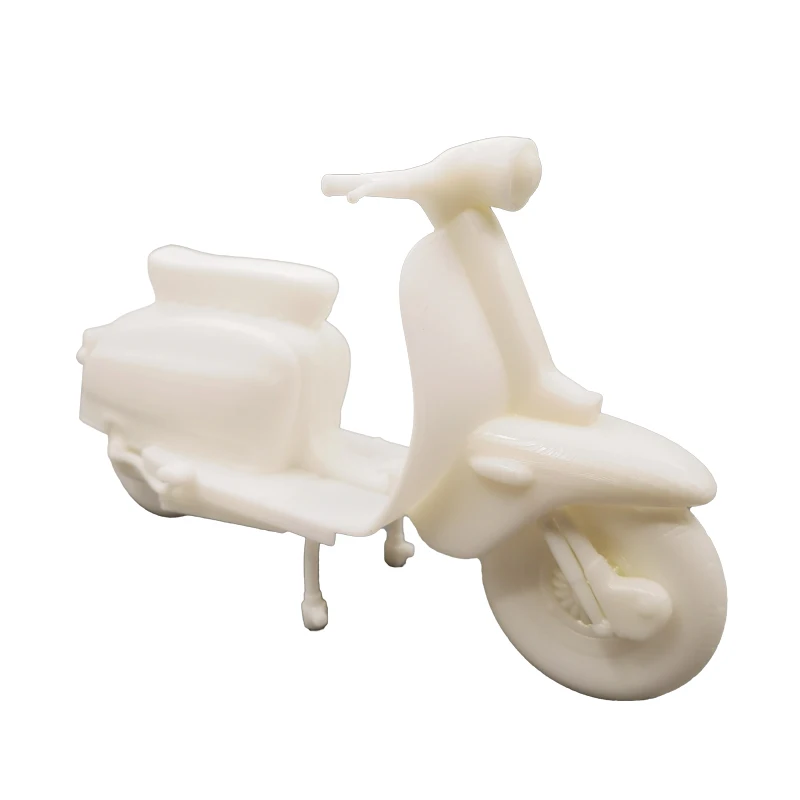
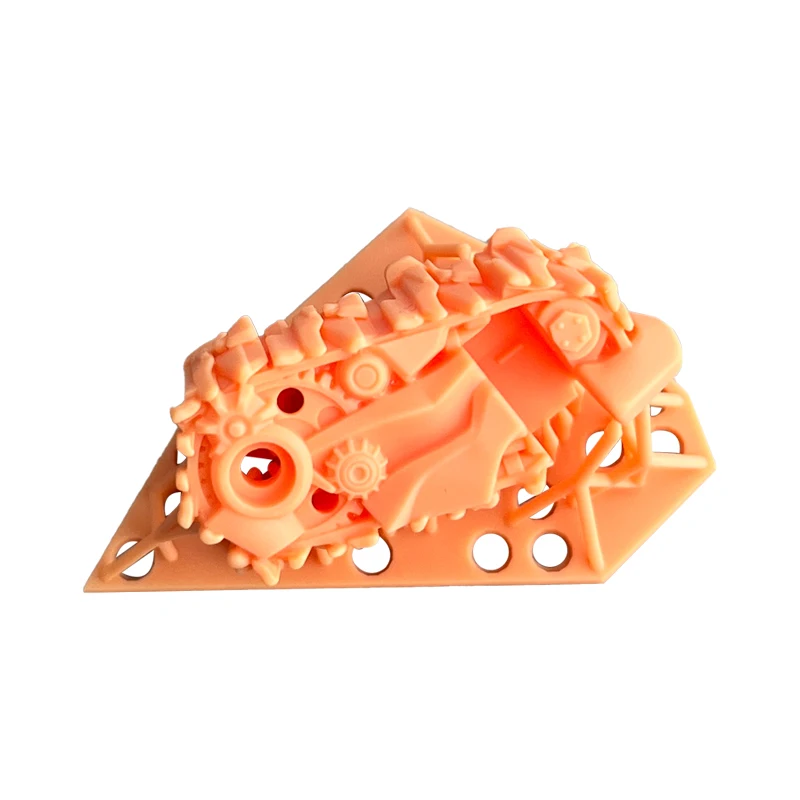
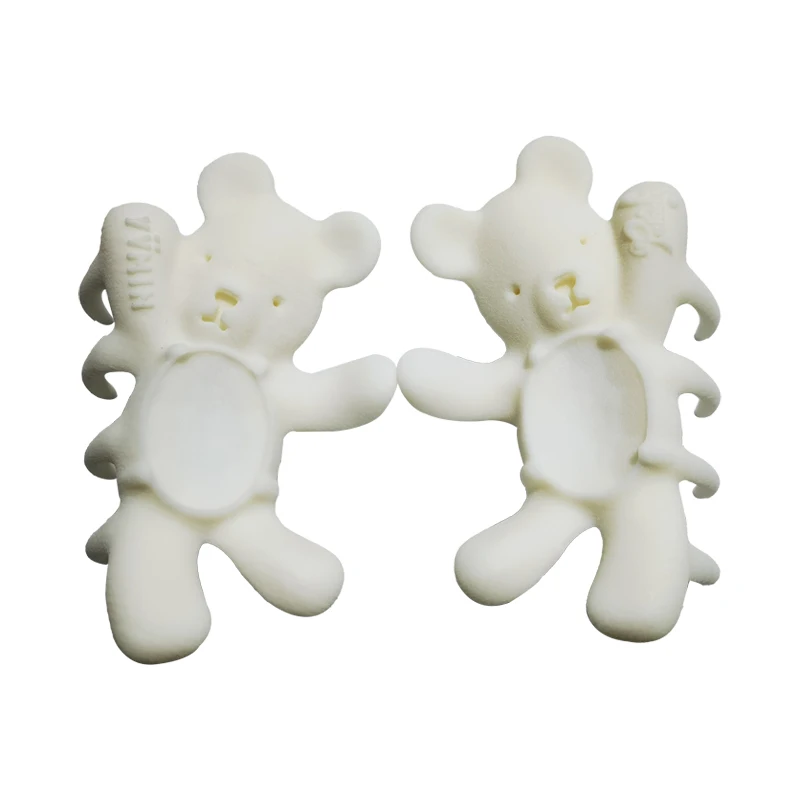
Two important processes in the world of manufacturing are metal 3D printing and CNC machining. Each technique has its advantages and limitations, which can affect the quality of final biochar. Whale-Stone knows that it makes a difference depending on where to select your company's production in order to obtain the best return. Here’s a closer look at how Metal 3D printing can improve your product quality, and where you can find the best metal 3D printing services.
Metal additive manufacturing (AM), or metal 3D printing, has shown many advantages for better products. One of the main benefits of adding Metal 3D printing to your manufacturing arsenal is the complexity of geometry you can produce that would be nearly impossible or far more expensive to make with traditional manufacturing methods such as CNC machining. As such, designers are given more leeway to innovate and develop distinctive products according to specific performance requirements.
Also, metal 3D printing has the potential to minimize waste material as opposed to CNC machining. Traditional subtractive manufacturing (CNC), for example, removes more material than is used out of a larger block, and leaves excess to be discarded. Metal 3D printing, on the other hand, grows parts one layer at a time, using no more material than necessary. Not only does this decrease waste, but it also reduces material costs – making metal 3D printing more cost-effective for production.
Additionally, the quality of a product is enhanced through Metal 3D Printing as lead times are reduced. Conventional mode of manufacturing (such as CNC machining), requires tooling to be designed and fabricated, which can be time-consuming and costly. Tooling is not required as metal 3D printing can be used for faster prototyping and production. This can enable firms to develop and launch new products more quickly, to get ahead of competitors.
Mechanization is changing the way we produce things. 3D Printing of Metals and CNC Machining 3D printing metals and machining with a cnc machine are two widely adopted methods in the industry. Metal 3D printing (or additive manufacturing) is a technology that produces three-dimensional parts layer by layer from metal materials using digital file. CNC machining, on the other hand, involves removing metal from a solid piece of material to produce the final shape. Both approaches have their pluses and minuses, competing visions of the future of manufacturing.
Metal Additive Manufacturing is now offered by a growing list of providers who serve wholesale buyers. One of the primary reasons for this are that complex designs can be made, which wasn't (easily?) possible/more cost efficiency compared to carving stuff out of it with a CNC. 3D printing of metal also creates less waste and shorter lead times, reducing costs for wholesale purchasers. Moreover, metal 3D printing has more diverse design capability and product Personalization that helps wholesale buyer show their special offering in market.
When wholesale buyers are weighing metal 3D printing and CNC machining against each other, there are a number of factors they need to consider. The former is used for small-sized batches of complicated parts with complex structures, meanwhile the latter is suitable for huge quantities of simple parts. When it comes to time and cost, metal 3D printing is both quicker to produce parts and cheaper for setup costs than CNC machining — a premise aimed at wholesale buyers who want new products on market faster. But there are still some applications where the strength and durability of CNC machining is preferred. In the end, wholesale purchasers will need to consider what they prioritize and the direction in which they want to move.
We offer a wide range of printing materials and provide both forward design and reverse engineering services, allowing for tailored material performance and complete design-to-production support for diverse industrial needs.
We emphasize fast response times with 24/7 online support, fast printing speeds, and stringent quality controls, enabling quick-turn prototyping, first-article customization, and efficient small-batch manufacturing.
We operate seven integrated technical centers—including SLA, SLS, SLM printing, rapid mold manufacturing, and CNC machining—providing a full spectrum of additive manufacturing solutions for automotive, industrial, and product development applications.
With dedicated automotive design and development capabilities, we support the entire vehicle development cycle from concept modeling and design verification to functional prototyping, tooling, fixtures, and small-batch production of both metal and non-metal components.

WHALE STONE 3d We are committed to providing customers with SLA printing, SLS nylon printing, SLM printing, CNC Machining,small batch compound mold rapid manufacturing services.
4th Floor, 4483 Wuzhong Avenue, Suzhou, Jiangsu, China
Copyright © 2024 WHALE STONE 3d All Rights Reserved. Privacy Policy - Blog

 EN
EN