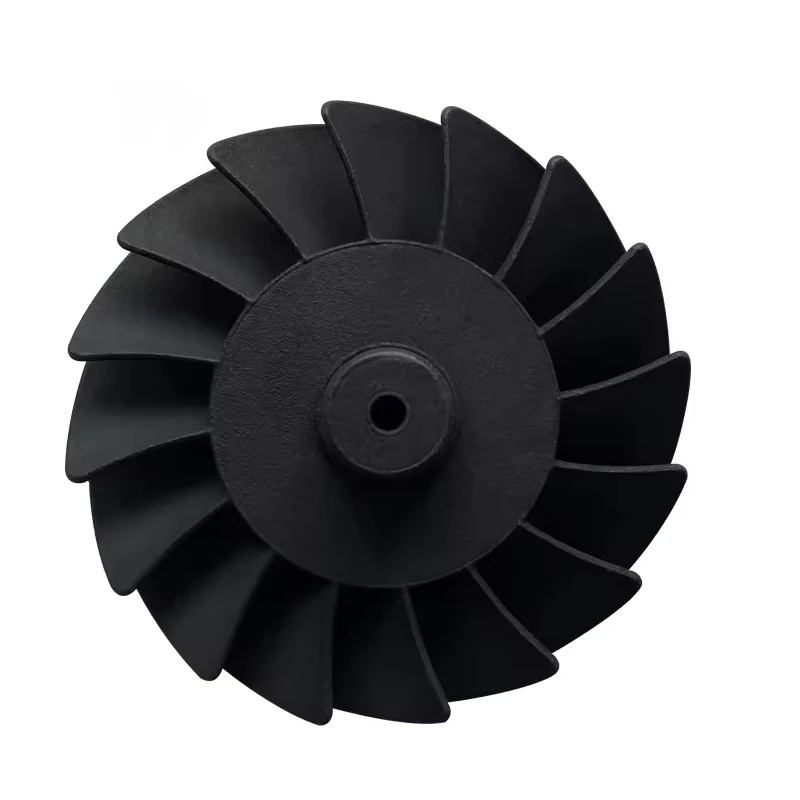
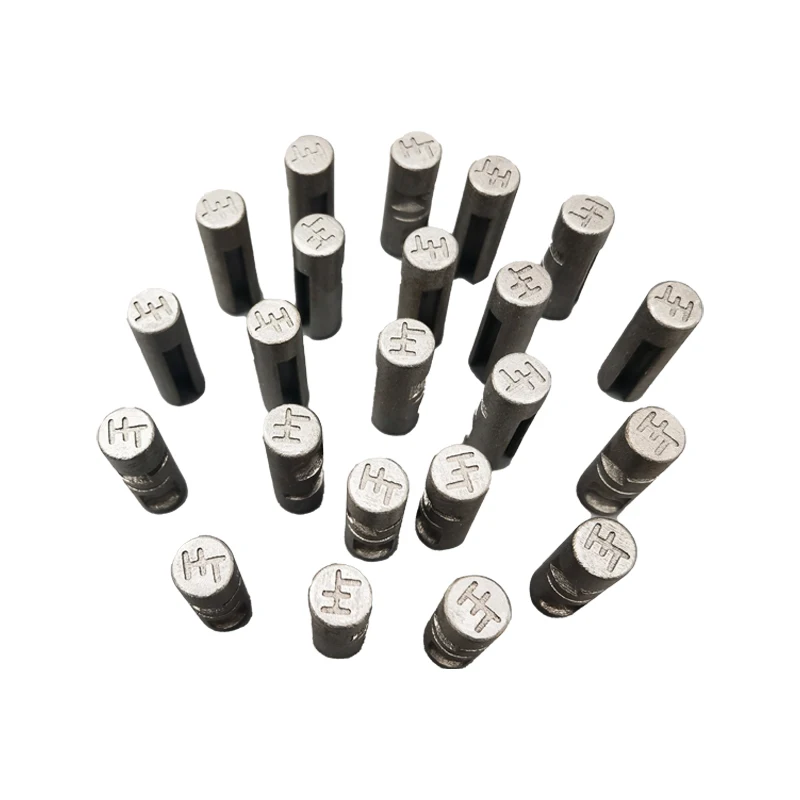
The New Trend 3D printing is transforming the way architects would plan and build structures. This advance type of technology utilized by corporations like Whale-Stone allows an architect and an engineer to create a more realistic model and prototype much faster than they would in the real world. 3d printing architecture design is allowing designers and engineers to experiment and experiment with new types of forms and even push the boundaries of conventional construction practice. We are able to immerse ourselves into 3D printing of Architectural design benefits and understand how it is transforming architecture industry.
With the application of 3-dimensional (3D) printing, the concept of design is being redefined by the architect. It is a distinctive tool which can assist architects to go beyond what they can do with the traditional construction methods and think about the alternative forms, the new buildings and materials. Designers have not found it easier than this to put into practice customized designs that respond to the particular wants and needs of their clients with the assistance of 3D printing. In fact, a more recent project of Whale-Stone was to collaborate with an architectural firm to 3D print customized fixtures and fittings to a residential project, and this is one indication that 3d print architecture model can be incredibly flexible as far as meeting the requirements of a specific design is concerned.
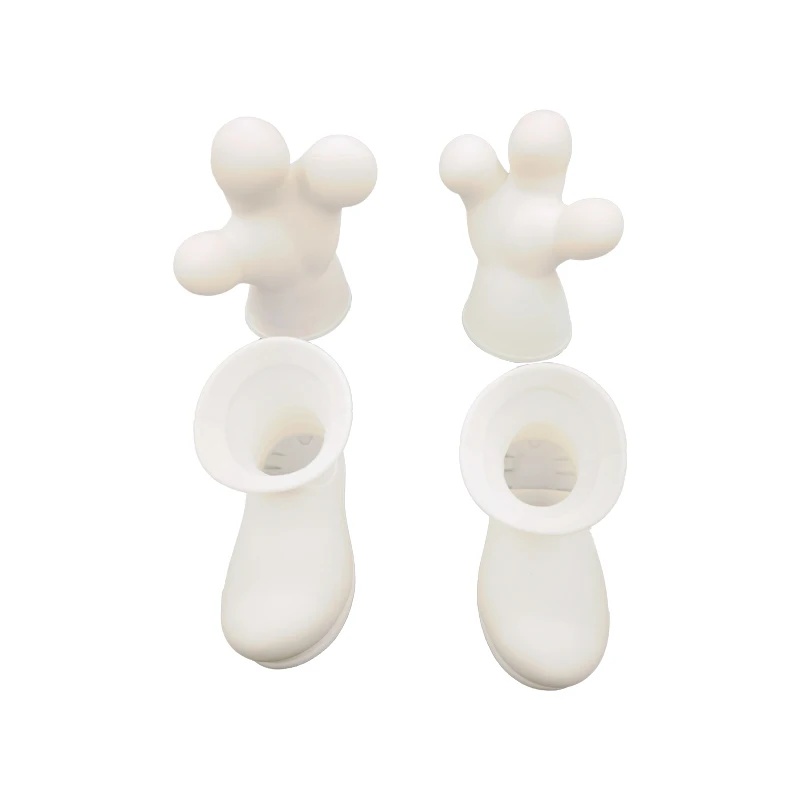
Additionally, 3D printing gives architects the chance to experiment with new materials and even new ways of construction which could not be built before. This can be done through investigating new materials, like the use of bio based polymers, recycled plastics and composite fibers that would lead to sustainable buildings with better performance and more centered on the architectural aesthetics. To give an example, organizations such as Whale-Stone have been on the frontline into introducing recycled materials into the 3d printing and contributing towards not only sustainability but also an innovation in designing architecture. The creative approach toward the use of materials is not only upgrading the aesthetics of the buildings but also helps to make the construction industry greener and more circular.

In the case of architectural prototyping on the topic of 3D printing, you will encounter certain challenges. The size of a 3D-printed architectural model, at least, presents at least two different technical barriers: one, the size of a printed architectural model is limited, based on the size of 3D printers. To overcome this challenge, architects divided the model into several parts, and printed them separately. The next weakness is thus the quality of the printed model as it frequently happens that the layers are not properly overprinted creating a poor resolution model. This could be lessened though by modifying the print settings and quality materials to create a more accurate end product.
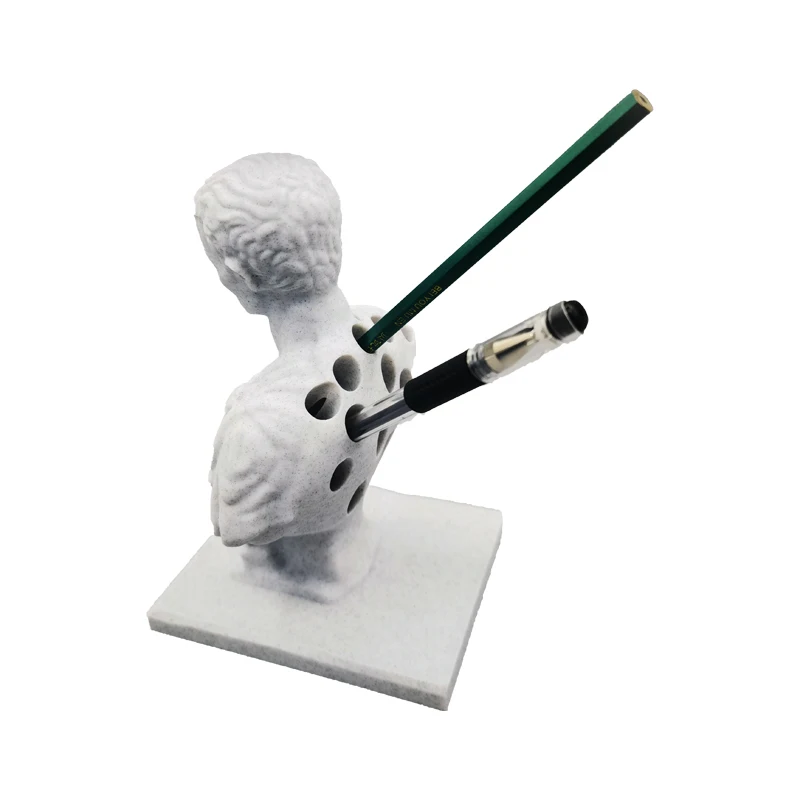
Lots of issues are to consider when selecting a 3D printing source in the area of architecture. The experience and expertise of companies that perform architectural model making is the first factor that should be taken into account. Make a shop around on the providers who have a track record of high quality prints on buildings. Secondly, the printing technologies and the kind of materials they can offer. Various projects and some of them might require some materials or be printed in a very specific manner, ensure that the supplier will be in a position to cater to the needs of the project. Lastly, ensure the lead time and costing by the supplier can accommodate you by delivering the prints on your necessary turn-around-time/budget.
We emphasize fast response times with 24/7 online support, fast printing speeds, and stringent quality controls, enabling quick-turn prototyping, first-article customization, and efficient small-batch manufacturing.
We offer a wide range of printing materials and provide both forward design and reverse engineering services, allowing for tailored material performance and complete design-to-production support for diverse industrial needs.
We operate seven integrated technical centers—including SLA, SLS, SLM printing, rapid mold manufacturing, and CNC machining—providing a full spectrum of additive manufacturing solutions for automotive, industrial, and product development applications.
With dedicated automotive design and development capabilities, we support the entire vehicle development cycle from concept modeling and design verification to functional prototyping, tooling, fixtures, and small-batch production of both metal and non-metal components.

WHALE STONE 3d We are committed to providing customers with SLA printing, SLS nylon printing, SLM printing, CNC Machining,small batch compound mold rapid manufacturing services.
4th Floor, 4483 Wuzhong Avenue, Suzhou, Jiangsu, China
Copyright © 2024 WHALE STONE 3d All Rights Reserved. Privacy Policy - Blog

 EN
EN