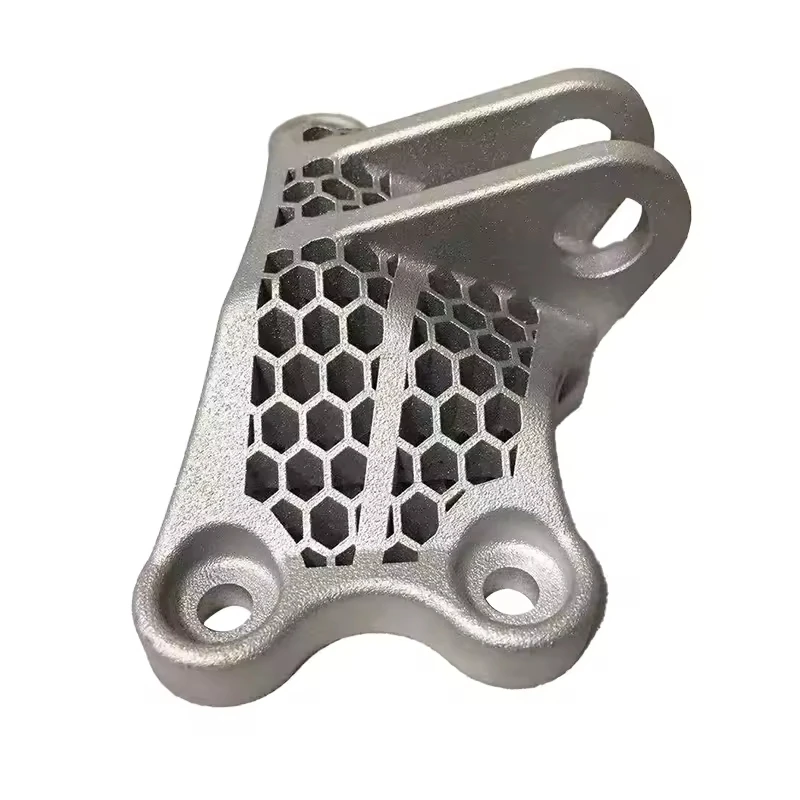
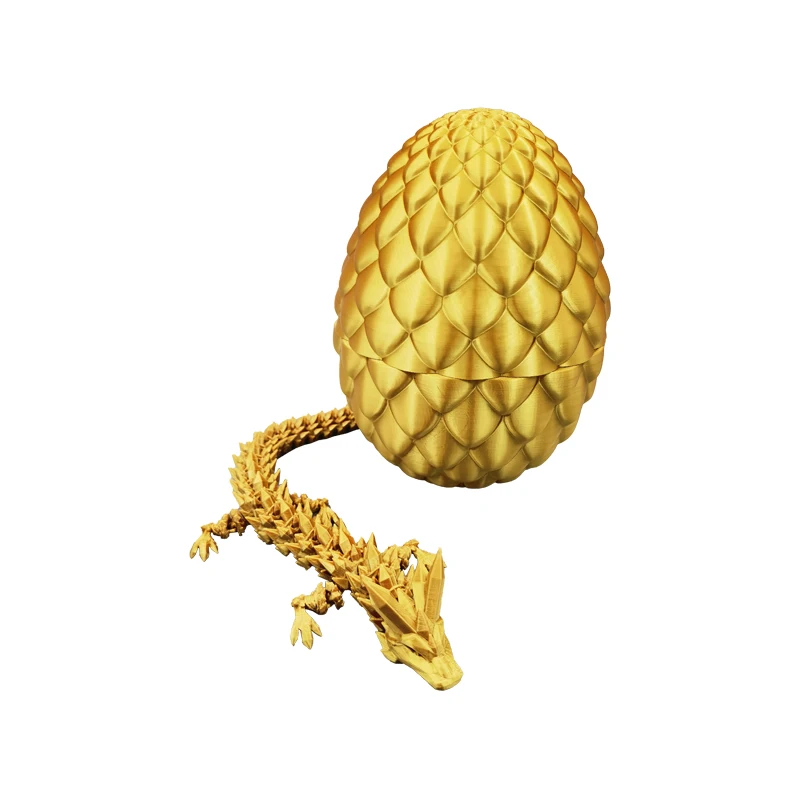
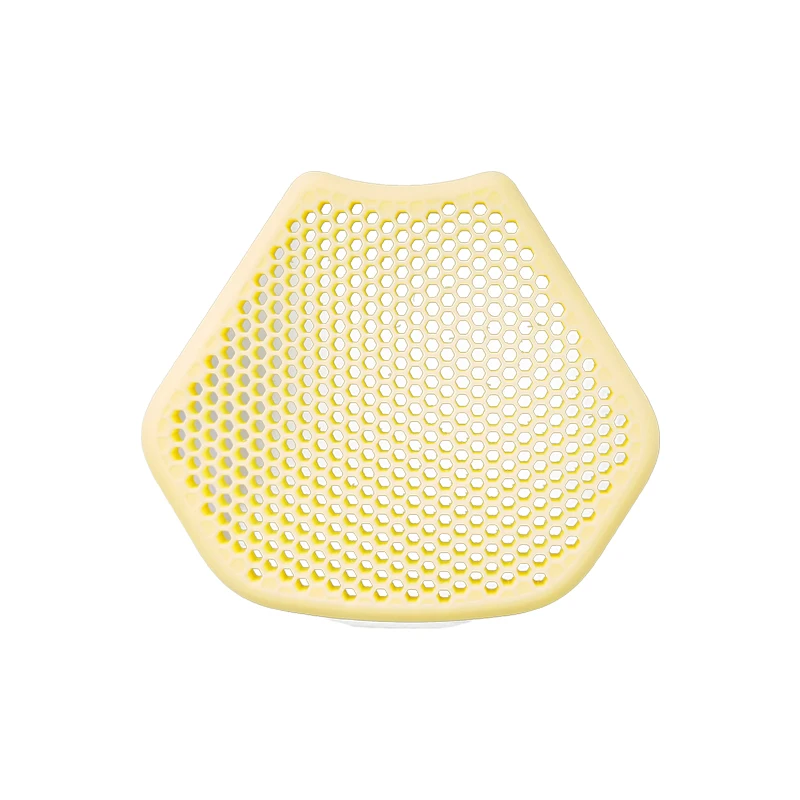
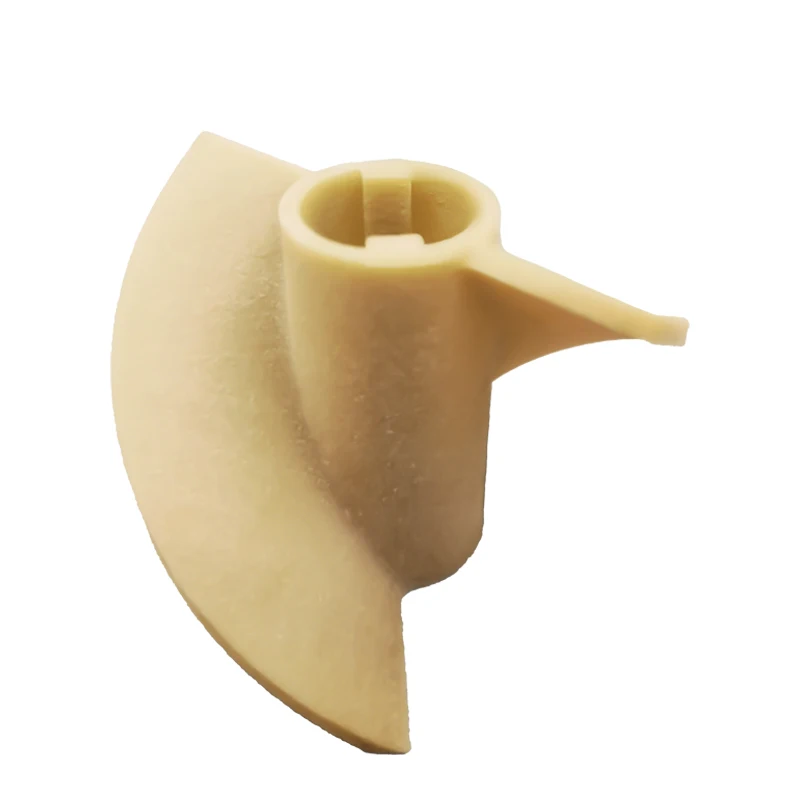
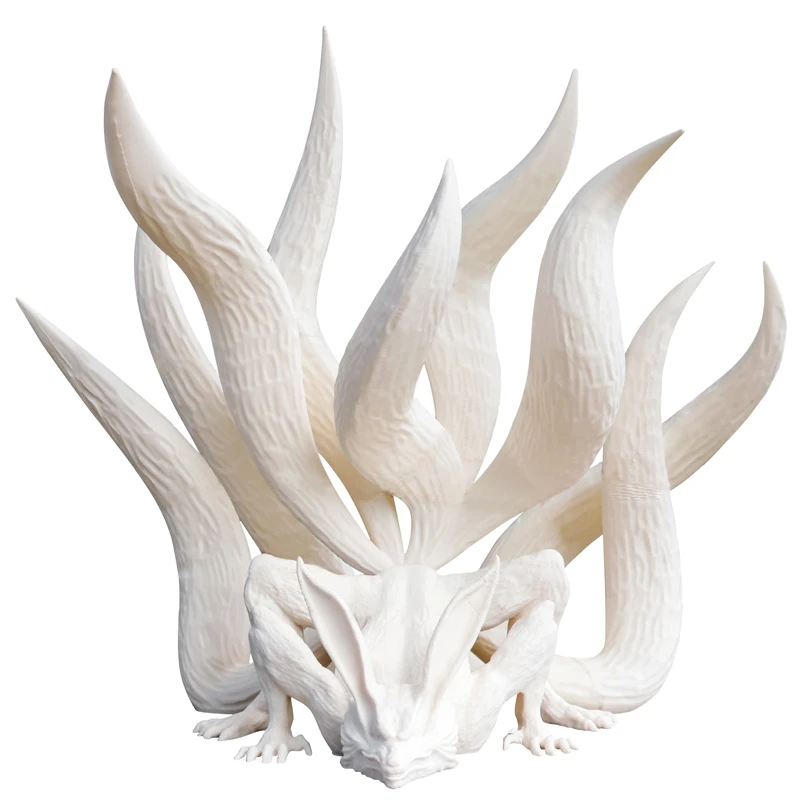
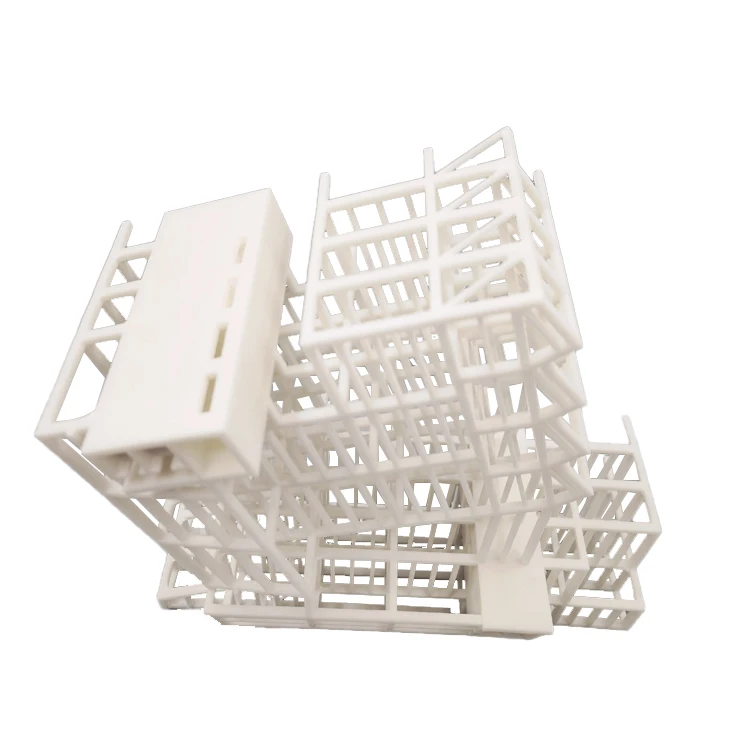
FDM 3D printing (or Fused Deposition Modeling printing) is a type of 3D printing technology that has been widely adopted for the production environment. It does so by melting a substance, typically plastic, and depositing it in layers to make an object in three dimensions. This process is preferred as it is inexpensive and can create complex shapes rapidly.
The FDM 3D printing process begins with a computer model, which is produced by software. The design is then translated into something the 3D printer can work with. The material, often a type of plastic filament, is heated by the printer until it melts. It is then fed through a small nozzle as it comes out the other end and laid down one layer at a time to create the object. When the print is finished, the object cools down and hardens to become your final piece.
One of the major strengths of FDM 3D printing is its flexibility. It has the ability to handle a wide array of materials, such as a variety of plastics, which is why it works in many applications. Furthermore, FDM printers are comparatively cheap and user-friendly due to which they are available for wide-ranging users. That said, FDM printing is not without its drawbacks. This layer-by-layer method can leave lines on the finished product, and the ultimate strength may not be as strong compared to alternative manufacturing methods.
3D printing with FDM has certain advantages over other types of 3D printing technologies like SLA (Stereolithography) or SLS (Selective Laser Sintering). For instance, FDM printers are cheaper and easier to use so they tend to be more popular with ‘tinkerers’ and hobbyists. FDM 3D printing, in addition, is recognized for its capacity to fabricate large objects rapidly and efficiently as well and consequently serves as a method of choice for rapid prototyping. CNC Machining Vacuum Casting
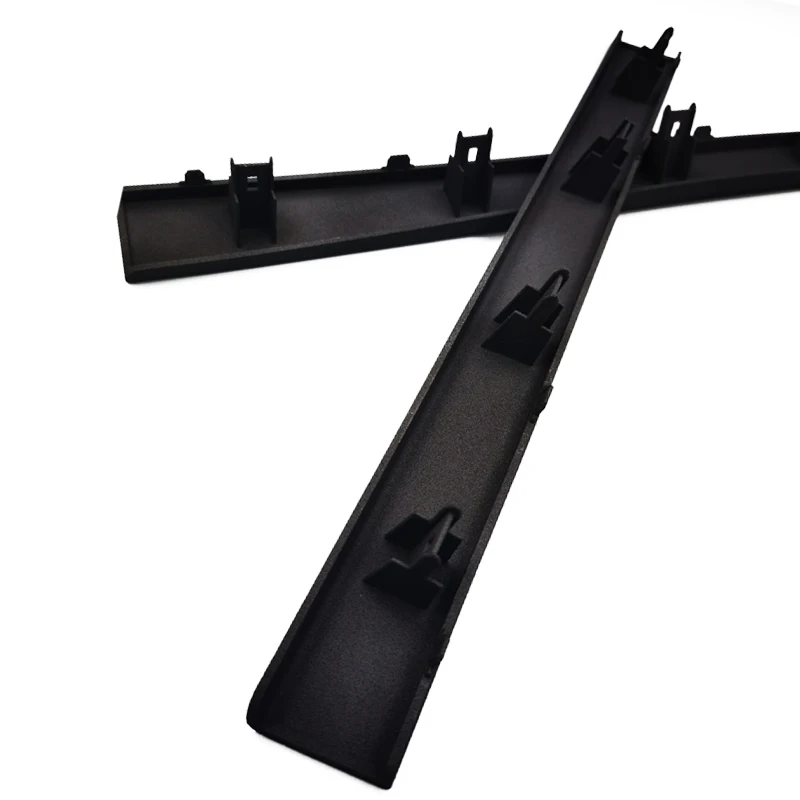
FDM printing, however, may not work for applications that open to a high level of details or precision. The layering step may leave visible lines on the object being formed, which is a problem for some applications. FDM-printed objects might also not be as solid and tough as for other techniques. That being said, FDM printing is widely used by manufacturers because it's very affordable and practical.
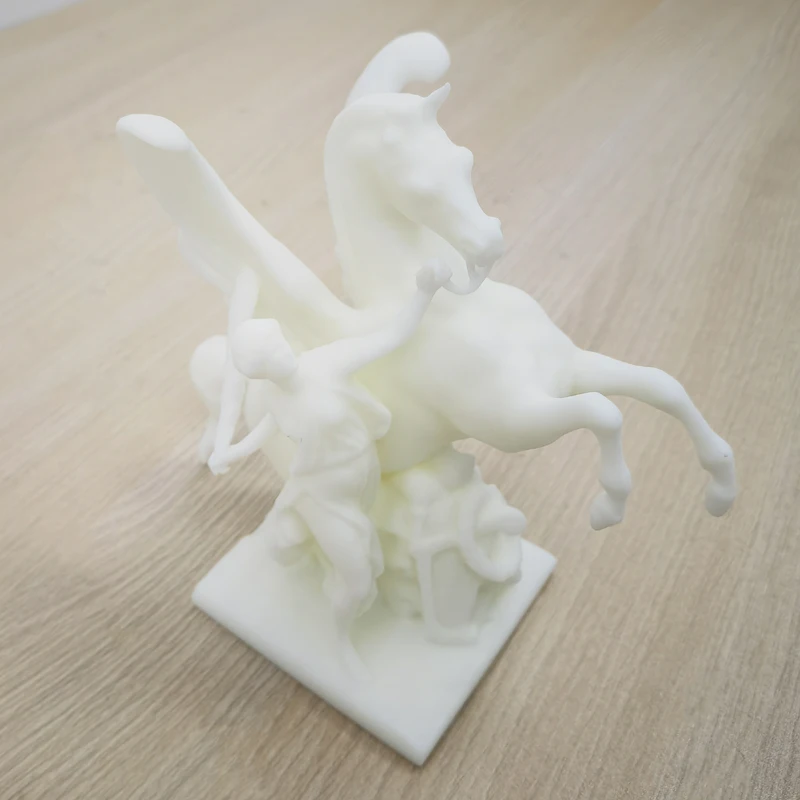
For FDM 3D Printing, businesses looking to drive wholesale should look into order quantity, material options, and design intricacy. Printing several parts simultaneously enables enterprises to cut down on production costs and standardize the manufacturing process. Furthermore, by choosing the appropriate materials for every component, it is possible to assure that the finished products comply with quality settings and functional demands.
It is important to keep abreast of up-to-date news and developments in FDM technology for businesses looking to remain competitive. Whale-Stone is here for all of your FDM 3D printing needs – whether you are interested in brand new technology, the latest industry news, or even an option to learn more about how to use our equipment efficiently. Vacuum Casting CNC Machining
With dedicated automotive design and development capabilities, we support the entire vehicle development cycle from concept modeling and design verification to functional prototyping, tooling, fixtures, and small-batch production of both metal and non-metal components.
We emphasize fast response times with 24/7 online support, fast printing speeds, and stringent quality controls, enabling quick-turn prototyping, first-article customization, and efficient small-batch manufacturing.
We offer a wide range of printing materials and provide both forward design and reverse engineering services, allowing for tailored material performance and complete design-to-production support for diverse industrial needs.
We operate seven integrated technical centers—including SLA, SLS, SLM printing, rapid mold manufacturing, and CNC machining—providing a full spectrum of additive manufacturing solutions for automotive, industrial, and product development applications.

WHALE STONE 3d We are committed to providing customers with SLA printing, SLS nylon printing, SLM printing, CNC Machining,small batch compound mold rapid manufacturing services.
4th Floor, 4483 Wuzhong Avenue, Suzhou, Jiangsu, China
Copyright © 2024 WHALE STONE 3d All Rights Reserved. Privacy Policy - Blog

 EN
EN