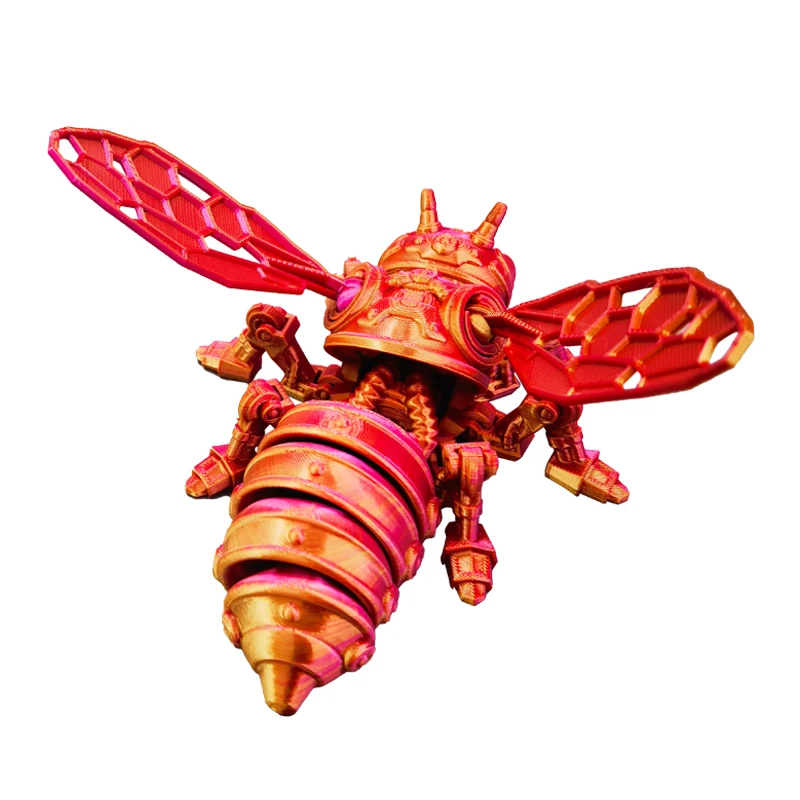
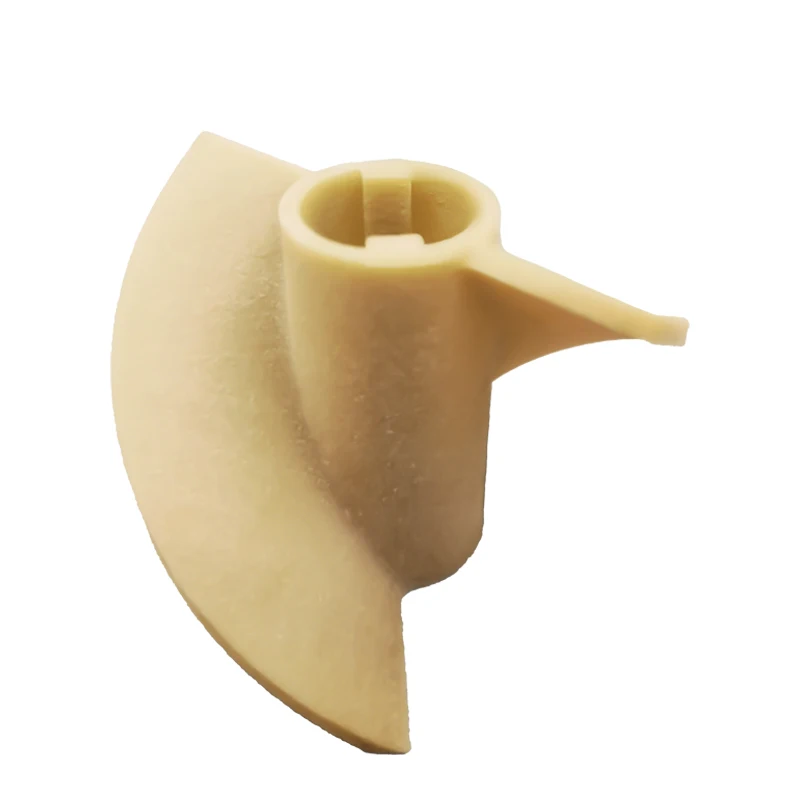
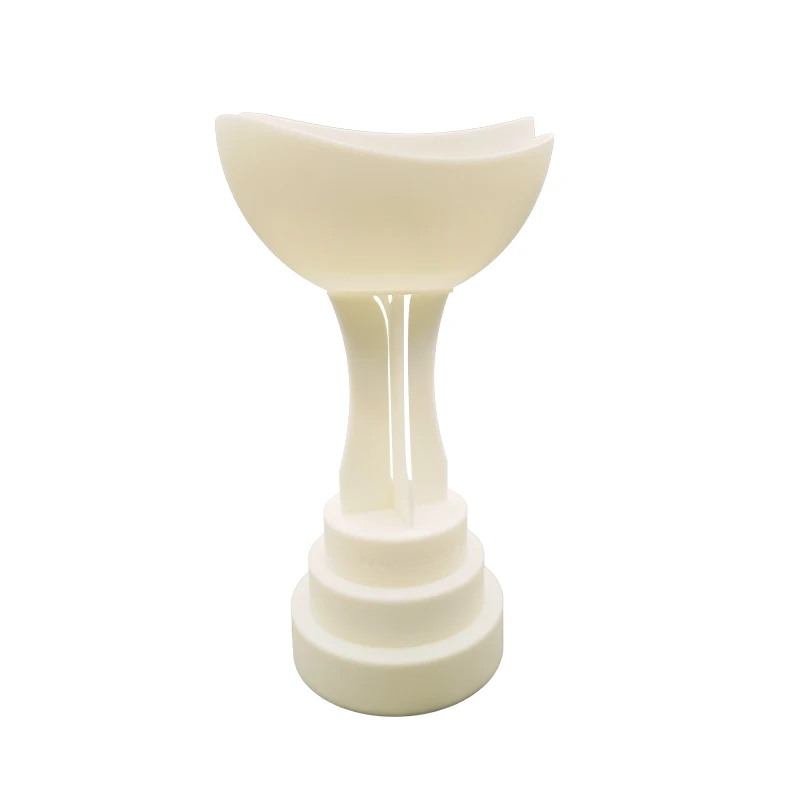
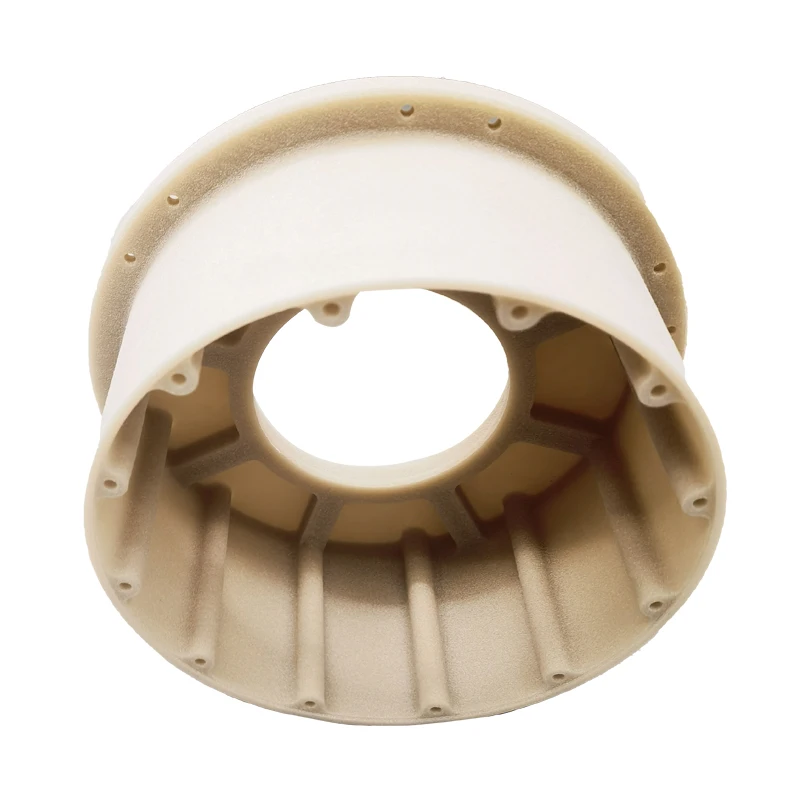
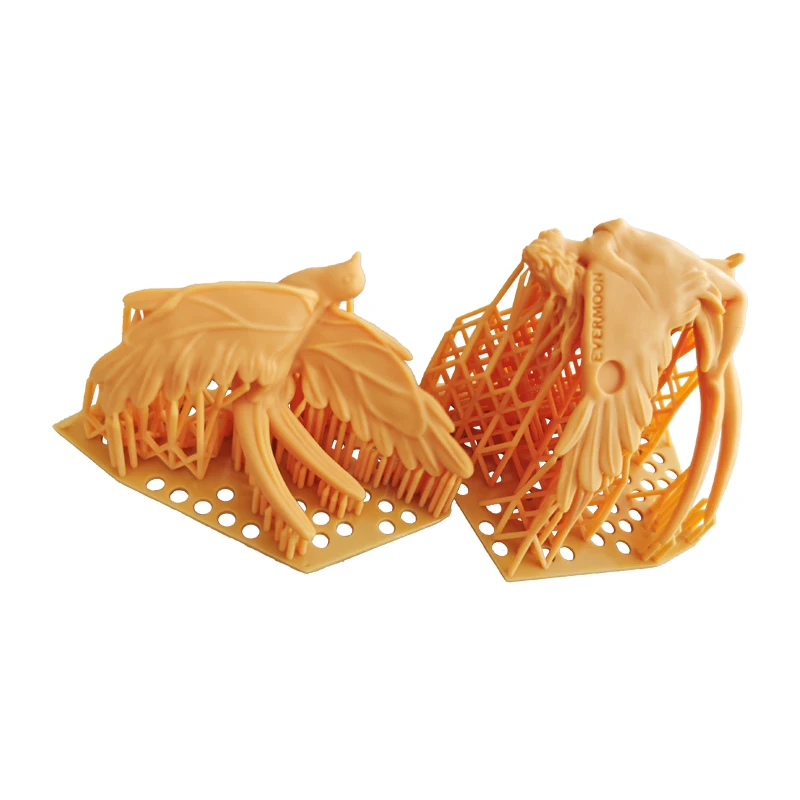
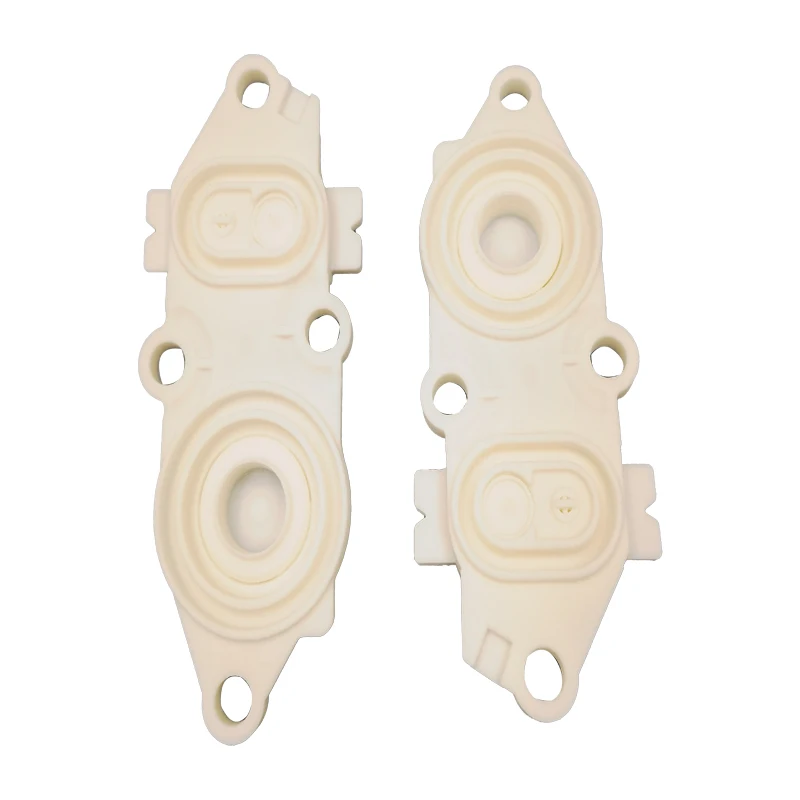
3D printing comes in all of Making's flavors, and each approach has its own strengths and purposes. Two common categories of 3D printing are SLS (Selective Laser Sintering) and SLA (Stereolithography). Both have their own set of pros and cons, and selecting the proper one for your project is paramount in getting that stunning, finished result., we’ll be breaking down the main differences between SLS vs SLA 3D printing, the benefits of SLS over SLA in manufacturing, plus sharing some tips on how to choose the right 3D print process for your business.
SLS and SLA are additive manufacturing methods utilizing laser technology for the production of 3D objects point by point. But there are crucial distinctions between the two processes. In SLS 3D printing, a powerful laser fuses material powder (e.g. nylon or metal) to form an object layer by layer. In contrast, SLA 3D printing hardens the liquid resin into solid layers with the assistance of a UV laser.
Materials: One distinct difference between SLS and SLA 3D printing is in the materials they are able to process. SLS is also known for being a versatile process capable of producing parts in over 30 different materials, such as engineering-grade plastics and metals. On the other hand, SLA can't use as many materials, which are most suitable for making accurate small parts.
The perfect 3D Printing technology for your application Your choice of 3D Printing process will be dependent on many factors – including what you’re looking to achieve and the parameters in which you want to work (size, tolerance etc.). If you need stronger, tougher parts with better heat and chemical resistance, SLS might be the way to go. SLS is great for parts with tight geometry features and intricate hollow structures.
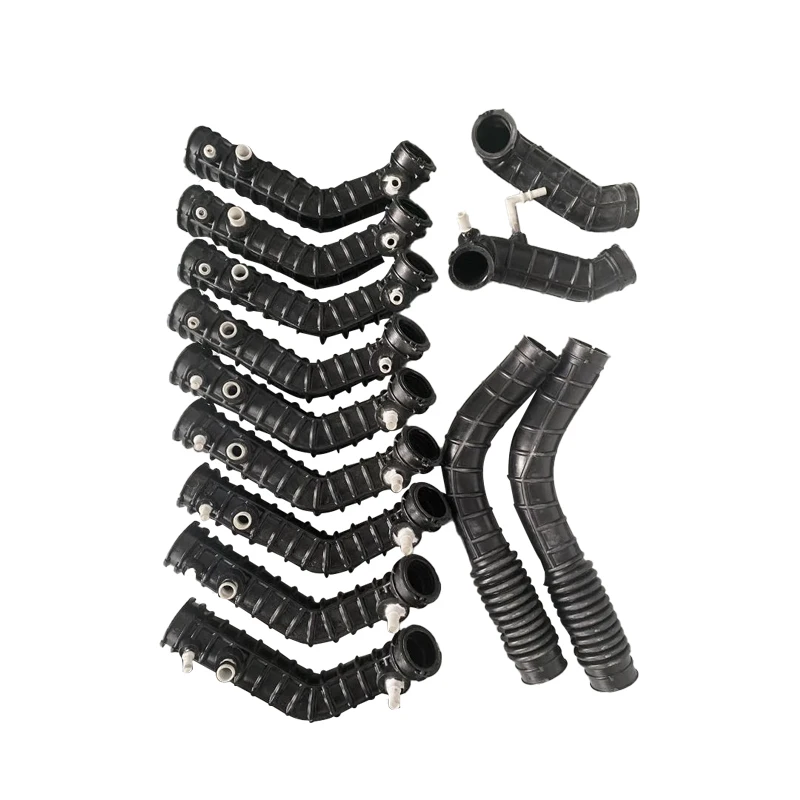
Despite the unique advantages that SLS and SLA have, they are inferior to SLS in many aspects when according manufacturing. One of the most important benefits of SLS is that it can make functional, end-use parts with strong mechanical properties. SLS components possess high tensile strength, good mechanical toughness and triple the impact resistance when compared with parts produced using other 3D-printing technologies.
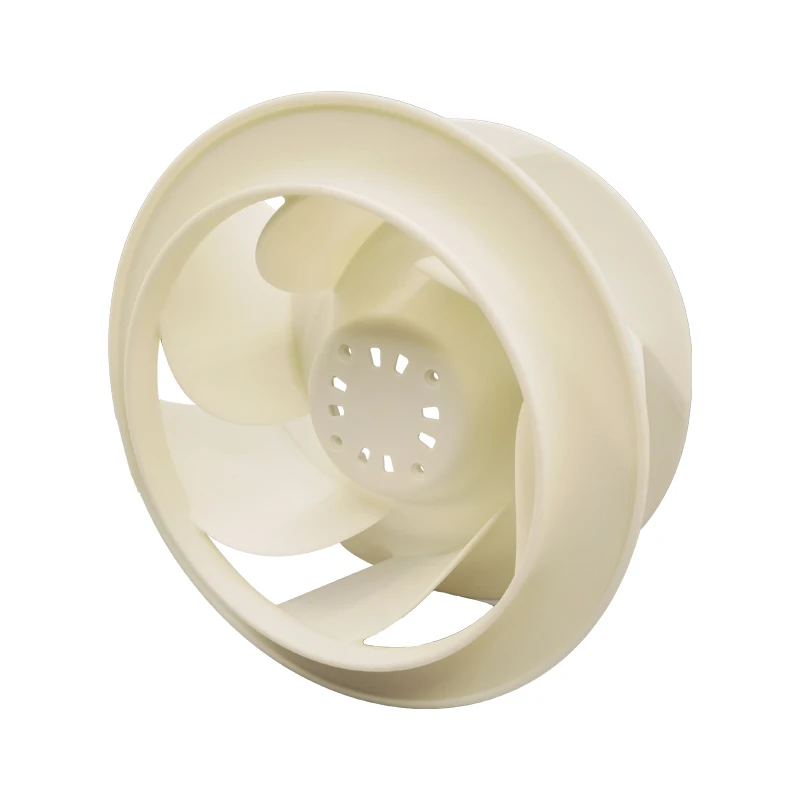
Ultimately, SLS and SLA 3D printing both offer their advantages and applications. SLS is ideal for functional and durable parts with high mechanical properties, while SLA is great for detailed and high-resolution models with fine surface finishes. Deciding between the two methods is contingent on material considerations, part intricacy, budgetary limitations and intended production volume.
We are professional 3D service node of SLA, SLS and SLM printing, as well as rapid tooling. With a variety of 3D printing processes available, our experts will work with you to determine the best process fit for your project – delivering high-quality parts and cost-effective solutions. Whether you want high-strength parts for mechanical use or everything from small, detailed models all the way up to production-quality industrial parts, Whale-Stone has you covered.
With dedicated automotive design and development capabilities, we support the entire vehicle development cycle from concept modeling and design verification to functional prototyping, tooling, fixtures, and small-batch production of both metal and non-metal components.
We operate seven integrated technical centers—including SLA, SLS, SLM printing, rapid mold manufacturing, and CNC machining—providing a full spectrum of additive manufacturing solutions for automotive, industrial, and product development applications.
We offer a wide range of printing materials and provide both forward design and reverse engineering services, allowing for tailored material performance and complete design-to-production support for diverse industrial needs.
We emphasize fast response times with 24/7 online support, fast printing speeds, and stringent quality controls, enabling quick-turn prototyping, first-article customization, and efficient small-batch manufacturing.

WHALE STONE 3d We are committed to providing customers with SLA printing, SLS nylon printing, SLM printing, CNC Machining,small batch compound mold rapid manufacturing services.
4th Floor, 4483 Wuzhong Avenue, Suzhou, Jiangsu, China
Copyright © 2024 WHALE STONE 3d All Rights Reserved. Privacy Policy - Blog

 EN
EN