
 EN
EN
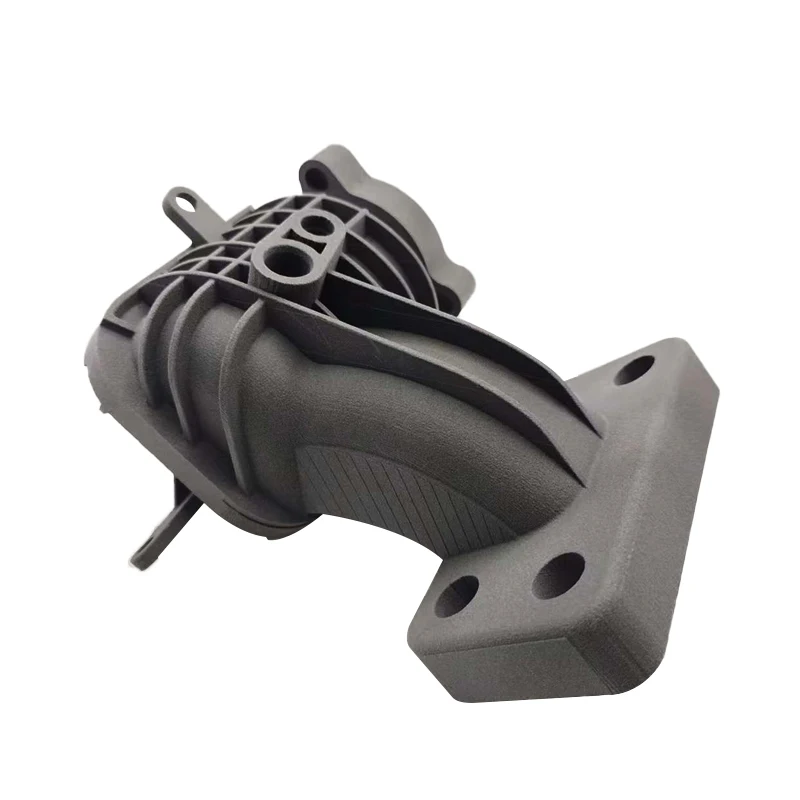
Mais dans l'impression 3D, les différentes méthodes nécessitent des éléments variés pour fonctionner correctement. Chez Whale-Stone, nous travaillons avec de nombreux types d’impression 3D, mais ce que nous observons souvent, c’est que certains types d’impression requièrent une assistance supplémentaire pour maintenir les pièces en place pendant le processus d’impression. Cette assistance prend la forme de supports. Cependant, ces supports ne sont pas nécessaires pour toutes les impressions 3D. Par exemple, l’impression SLA en nécessite généralement, contrairement à l’impression SLS. Comprendre pourquoi permet d’obtenir de meilleurs résultats, tout en gagnant du temps et en économisant du matériel. Permettez-moi d'expliquer pourquoi les structures de support sont des composants indispensables dans l’impression SLA, mais pas dans l’impression SLS.
Pourquoi avez-vous besoin de supports avec l'impression 3D SLA -Mais pas SLS
La SLA (stéréolithographie) utilise une résine liquide qui durcit lorsqu'elle est frappée par un laser. Dans ce procédé, les pièces sont construites couche par couche et pendent dans le réservoir de résine. Comme la résine est très fluide et encore molle avant sa polymérisation, les parties qui dépassent ou qui sont en porte-à-faux nécessitent un support en dessous ou à côté pour les maintenir en place, faute de quoi elles s'affaissent ou se déforment. Ces supports sont appelés structures de support. Si vous essayez de construire un château de sable avec une sorte d'arcade, par exemple, celui-ci s'effondrera tant que le sable est humide, à moins qu'il ne soit soutenu. C'est précisément le rôle des structures de support dans Impression 3D SLA ils maintiennent la pièce en place pendant sa fabrication. Sans supports, les pièces présentant des surplombs ou des détails fins peuvent se casser ou se déformer. « Ce que nous voyons souvent chez Whale-Stone, ce sont des clients ayant tenté de se passer de supports, ce qui entraîne des impressions ratées ou des nettoyages fastidieux », a déclaré Watson. Les supports servent également à éviter la déformation en fixant la pièce sur le plateau de construction. Mais les supports ont aussi des inconvénients : la matière imprimée et le temps supplémentaire nécessaires pour leur impression ne sont que le début, et ils doivent être retirés avec précaution (laissant des marques au passage). Néanmoins, ils sont indispensables pour obtenir une bonne qualité dans l'impression SLA.
L'impression par frittage sélectif au laser (SLS) fonctionne de manière très différente. Il s'agit de poudre, pas de liquide ! L'imprimante ajoute des couches de poudre, et un laser les chauffe suffisamment pour qu'elles s'agglomèrent. Ce qui est intéressant, c'est que la poudre entourant la pièce joue le rôle d'un support naturel. Elle maintient l'objet en place pendant que le laser fait son travail, ce qui élimine la nécessité de supports supplémentaires. Ce lit de poudre peut supporter même les formes les plus complexes, y compris les pièces creuses et les angles prononcés, sans matériau ajouté. Chez Whale-Stone, nous apprécions le fait que le SLS supprime le besoin de supports, économisant ainsi du temps et du matériel. De plus, comme la poudre protège la pièce pendant sa fabrication, il y a moins de déformations ou de distorsions. Le nettoyage de la poudre excédentaire après l'impression est simple et n'endommage pas la surface de la pièce. Les machines SLS sont coûteuses et nécessitent des précautions particulières (bien que l'absence de supports à retirer soit un avantage considérable). Cela se traduit par des impressions plus rapides et moins de post-traitement.
Pourquoi les pièces imprimées en 3D par SLA nécessitent-elles des supports alors que l'impression SLS n'en a pas besoin
La raison pour laquelle la SLA a certainement besoin de supports, contrairement à la SLS, tient essentiellement aux matériaux et au procédé. La SLA débute avec une résine liquide fragile. Si une partie (ou un bord) présente une forme qui dépasse mais flotte sans être rattachée à autre chose, elle s'affaissera ou tombera si elle n'est pas soutenue. L'imprimante fonctionne selon un principe de construction par le bas, et la gravité agit sur cette résine molle. Les supports sont comme les échafaudages autour d'un bâtiment en cours de construction : ils soutiennent chaque élément jusqu'à ce qu'il soit assez solide pour se tenir seul. Chez Whale-Stone, nous conseillons toujours nos clients de concevoir soigneusement des supports qui ne touchent le modèle qu'aux endroits nécessaires. Cela évite les dommages lors du retrait des supports et préserve une finition de surface lisse. C'est simplement une technique qui s'acquiert avec l'expérience, ainsi que de nombreux essais et erreurs sur diverses conceptions.
En revanche, le SLS fonctionne dans un lit de poudre pour l'impression. La poudre enveloppe entièrement la pièce et la soutient naturellement par en dessous. Cette poudre ne se dissout pas, elle fait donc office d'amortisseur et de support à la fois. De plus, le laser ne fusionne la poudre que là où la pièce est requise, le reste restant en vrac. Autrement dit, la pièce peut comporter des formes complexes, des sous-dépouilles ou des volumes creux sans aucun problème. Chez Whale-Stone, nous apprécions particulièrement cette technique car elle est très polyvalente et adaptée aux pièces industrielles. Aucune structure supplémentaire n'est nécessaire, ce qui signifie moins de déchets et moins de temps consacré à la finition de la pièce après impression.
En définitive, le choix entre l'impression SLA et SLS dépendra des exigences de la pièce, de son prix et de sa qualité finale. Le SLA permet d'obtenir des finitions extrêmement lisses et des détails très fins, mais nécessite des supports pour éviter les impressions ratées. Le SLS convient mieux aux pièces solides et complexes, sans besoin de supports, mais la finition de surface est plus rugueuse. Chez Whale-Stone, nous possédons une expertise approfondie dans les deux méthodes afin d'aider nos clients à choisir la technique adaptée et à obtenir des résultats exceptionnels. Découvrez ce qu'elles sont et comment elles fonctionnent pour gagner du temps, de l'argent et éviter les complications dans votre flux de travail d'impression 3D.
Comment les choses bougent S LA Résolution d'impression et finition de surface comparées à d'autres technologies d'impression 3D
Les supports sont particulièrement cruciaux dans l'impression 3D SLA pour cette raison précise, garantissant finalement des modèles précis et lisses au toucher. La SLA, acronyme de stéréolithographie, implique une résine liquide qui durcit lorsqu'elle est frappée par un faisceau laser. Certaines parties du modèle en porte-à-faux ou présentant des bords saillants se trouvent en suspension dans l'air. Ces parties pourraient sinon tomber ou se courber si aucun support n'était utilisé pendant l'impression. Des structures de soutien maintiennent ces éléments en place afin que l'imprimante puisse construire le modèle couche après couche correctement.
Chez Whale-Stone, nous comprenons que le support bien conçu est essentiel pour maintenir la forme parfaite du modèle. Des supports solides et bien placés améliorent les performances de votre imprimante et l'apparence de votre impression. Les supports empêchent les couches de se déformer de façon significative et, par conséquent, les bords et les détails sortent assez propres et nets. Pour les petits jouets et les bijoux, et lorsque tous les trous doivent être alignés correctement, cela est très important. Si elle n'a pas de support, la résine peut goutter ou se glisser, ce qui entraîne des surfaces rugueuses ou des erreurs.
Mais les supports ont aussi pris contact avec le modèle, donc là où ils sont fixés, ils peuvent parfois laisser une marque minuscule après les avoir enlevés. Et donc sur Whale-Stone, nous travaillons vraiment dur pour comprendre où les supports devraient aller, et ces marques seront dans des endroits moins visibles. De cette façon, nous maintenons une surface lisse et une apparence soignée. De bons supports qui sont un équilibre entre maintenir le modèle fort et ne pas ruiner le look final. C'est pourquoi des structures de soutien sont nécessaires pour Service d'impression 3D SLA ils aident à la précision et à la finition de la surface, mais doivent être manipulés avec précaution.
Problèmes typiques dans les supports SLA et comment les résoudre
Utiliser des supports dans une impression SLA peut être un peu difficile, mais chez Whale-Stone, nous savons comment les gérer assez bien pour que vous obteniez de bons résultats, alors ne vous inquiétez pas! L'un des problèmes est que les supports peuvent adhérer trop fortement. Si les supports adhèrent trop fortement au modèle, leur retrait peut déchirer de minuscules pièces ou créer des taches rugueuses. Pour éviter cela, nous développons des supports qui maintiennent bien les modèles pendant la construction mais qui sont faciles à casser par la suite.
Un deuxième problème est que trop de supports augmentent également le temps d'impression et le gaspillage de ressources. Des supports supplémentaires ralentissent les temps d'impression et utilisent plus de résine, ce qui augmente les coûts. Whale-Stone résout ce problème en choisissant soigneusement les emplacements de soutien. Nous appliquons des supports uniquement lorsque cela est absolument nécessaire, comme sous les surplombs ou les zones étroites, plutôt que de couvrir l'ensemble du modèle. Cela vous permet d'économiser du temps et du matériel sans craindre de perdre la qualité de l'impression.
Certains supports peuvent laisser une marque ou une cicatrice sur la surface du modèle après son enlèvement. Nous avons des logiciels spéciaux et des techniques d'impression pour ajouter des supports dans des endroits moins visibles. De plus, notre équipe expérimentée aplanira la surface du modèle après l'impression pour éliminer les défauts restants. Cette étape de post-traitement garantit que l'étoile finie a une apparence professionnelle et polie.
Enfin, les supports peuvent également entraîner des défaillances d'impression lorsqu'ils sont trop fragiles ou trop résistants. Il est trop faible et les pièces tombent pendant l'impression, trop fort et enlever la pièce est difficile. Whale-Stone varie les modèles de support pour chaque modèle afin d'obtenir un compromis optimal. Nous n'avons pas ces problèmes à cause de nos années d'expérience et nos clients reçoivent des impressions à la fois fortes et magnifiques.
Comment les structures de support affectent le coût et l'efficacité de l'impression SLA pour les modèles en gros
Si vous imprimez un lot de modèles, par exemple pour la vente en gros, les supports sont une part importante des dépenses et de l'efficacité. Chez Whale-Stone, nous savons que les entreprises aiment leurs impressions rapides, bon marché et de bonne qualité. Les structures de support influencent ces trois variables lorsqu'il s'agit d'impression SLA.
Tout d'abord, les supports contribuent à une consommation supplémentaire de résine. Plus il y a de supports, plus il faut de matériel, ce qui rend chaque impression plus chère. Quand on imprime des centaines d'objets, de petites quantités supplémentaires de résine s'ajoutent vraiment. Whale-Stone essaie de minimiser les supports, tout en veillant à la sécurité des empreintes. Cette planification rigoureuse permet de maintenir les prix bas pour les clients, qui doivent commander en vrac.
Deuxièmement, il permet d'augmenter le temps d'impression. Chaque support ajouté ajoute du temps à la formation pendant l'impression. Cela suffit à arrêter le processus dans les grandes commandes. Avec un modèle, nous optimisons la mise en page de l'imprimante et le support de placement à Whale-Stone afin de minimiser le temps d'impression nécessaire. Cela se traduit par l'impression plus rapide de plus de pièces, ce qui peut aider les entreprises à respecter le calendrier.
Troisièmement, prendre des supports sur et hors d'un tas d'empreintes est un travail supplémentaire et prend du temps. Si les supports sont difficiles à enlever ou trop complexes, la finition ralentit et les coûts augmentent. Des pieds de Whale-Stone qui sont faciles à enlever et à nettoyer. Notre équipe d'experts utilise des outils et des méthodes spéciaux pour rendre le retrait du support plus rapide et plus sûr pour vos empreintes.
Pour faire court, je vous soutiens en ALS. impression 3D influence le coût d'un projet et la rapidité avec laquelle il peut être réalisé. L'expertise de Whale-Stone garantit qu'une commande au coût élevé apparent comportera tout de même des supports conçus pour assurer un équilibre optimal entre qualité, coût et rapidité. C'est pourquoi vous avez besoin de toutes ces structures de support pour l'impression SLA, mais devez soigneusement doser leur nombre afin de rendre possible la réalisation de projets en volume.
Table des Matières
- Pourquoi avez-vous besoin de supports avec l'impression 3D SLA -Mais pas SLS
- Pourquoi les pièces imprimées en 3D par SLA nécessitent-elles des supports alors que l'impression SLS n'en a pas besoin
- Comment les choses bougent S LA Résolution d'impression et finition de surface comparées à d'autres technologies d'impression 3D
- Problèmes typiques dans les supports SLA et comment les résoudre
- Comment les structures de support affectent le coût et l'efficacité de l'impression SLA pour les modèles en gros