
 EN
EN
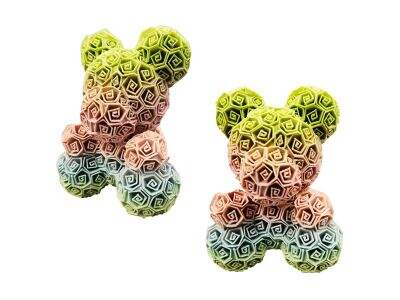
Skleněný nylon je plast, který je posílen skleněnými vlákny, což ho činí silnějším a odolnějším vůči zlomeninám. Je široce používán ve všech oblastech, včetně 3D tiskárny. V Whale-Stone chápeme hodnotu trvanlivých materiálů, které se používají pro díly a výrobky. Využitím nylonu plného skla v 3D tiskárně SLS jsou podniky schopny vyrábět výrobky odolné proti opotřebení. To je opravdu dobré pro věci, které potřebují být velmi odolné díly strojů nebo nástroje. Skleněná vlákna nylon posilují a činí ho silnějším, než kdyby se zlomil. Takže pokud chcete 3D tisknout něco, co musí být lehké, ale silné, sklo naplněné nylonem je vynikající volbou.
Co je skládaný nylon a proč ho tisknout pomocí SLS
Jeden typ nákladů skládaný nylon nebo GF nylon — je plastová forma nylonu, do které jsou přidány malé skleněné vlákna. Tato skleněná vlákna pomáhají nylonu dosáhnout mnohem vyšší pevnosti a odolnosti. Díky GF nylonu pro SLS 3D tisk můžete vytvářet součásti, které nejsou pouze pevné, ale jsou také lehčí než jejich kovové protějšky. To je důležité pro odvětví jako je automobilový průmysl nebo letecký a kosmický průmysl, kde každá unce hraje roli. U SLS procesu laser taví prášek nylonového materiálu vrstvu po vrstvě, čímž vytváří tvar součásti. Výsledný produkt snese vysoké zatížení i teploty díky těmto skleněným vláknům. Je také odolný vůči chemikáliím, takže se rychle nezhoršuje při styku s látkami jako je olej nebo benzín. Pro ty, kteří chtějí nejvyšší kvalitu a odolnost, stojí GF nylon za zvážení. Ušetří peníze i čas, protože vyrobené součásti vydrží mnohem déle a není tedy potřeba je často nahrazovat
Nejlepší zdroje skleněným vláknem vyztuženého nylonu pro průmyslové tiskové práce ve velkém množství
Ale pokud chcete zakoupit skleněným vláknem vyztužený nylon pro své SLS 3D tiskové projekty, je nejlepší začít u Whale-Stone. Nabízíme vysoce kvalitní GF nylony pro průmyslové aplikace. Můžete je zakoupit ve velkém množství pro své tiskové potřeby, abyste nikdy neuvízli a neměli nedostatek materiálu pro výrobu několika dílů. Je klíčové najít dodavatele, který své materiály testuje, aby byla zajištěna nejvyšší kvalita. U Whale-Stone má kvalita přednost. Děláme vše pro to, abyste mohli věřit svému GF nylonu ve svých projektech. Pro všechny dotazy nebo objednávky nás můžete kontaktovat přímo. Jsme tu, abychom vám pomohli najít přesně to, co potřebujete pro všechny vaše tiskové potřeby. Když tedy hledáte odolný a spolehlivý skleněným vláknem vyztužený nylon – hledejte jinde, Whale-Stone je to nejlepší
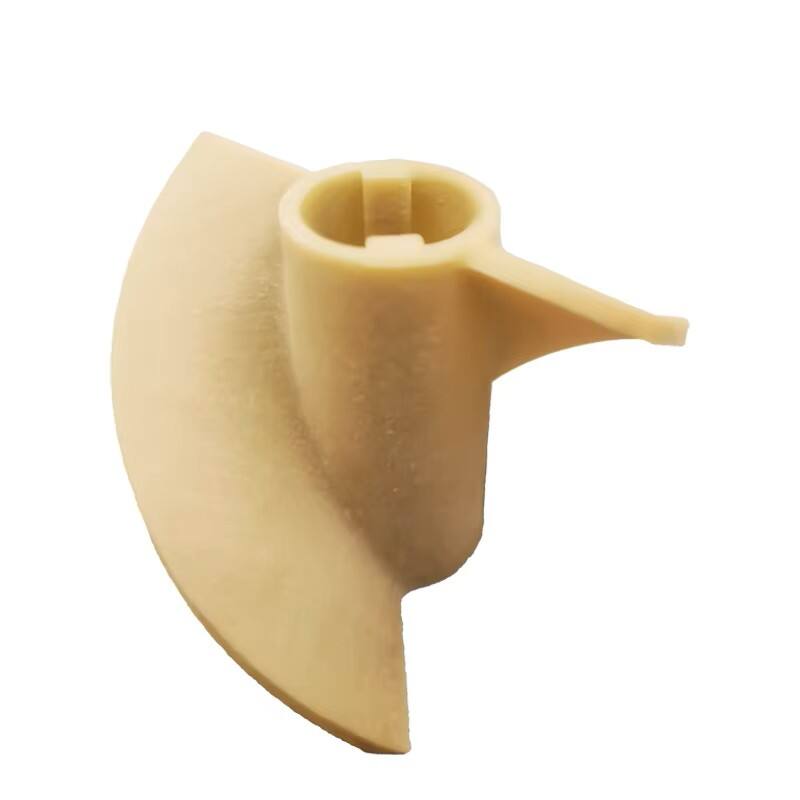
Nastavení SLS 3D tisku pro skleněným vláknem vyztužený nylon: Jak je optimalizovat
Když chcete GF nylon pro službu 3D tisku, jako je například nabízená u Whale-Stone, musíte nastavení přesně doladit. SLS, což znamená selektivní slinování laserem, je jedinečnou formou 3D tisku, při které laser postupně taví práškový materiál vrstvu po vrstvě. Aby byly vaše tisky pevné a detailní, měli byste přesně nastavit několik klíčových parametrů. Prvním z nich je teplota. GF nylon funguje nejlépe, když je správně zahřátý. Obvykle to znamená, že laser musí být nastaven na teplotu dostatečně vysokou na to, aby materiál roztavil, nylon ale ne tak vysokou, aby jej spálil. Nalezení optimálního bodu může vyžadovat určité experimentování, ale vyplatí se to
Poté musíte zvážit tloušťku vrstvy. Tenké vrstvy mohou vytvářet větší detail, ale tisknou se také pomaleji. Pokud hledáte něco, co představuje dobrý kompromis mezi oběma variantami, střední tloušťka je pravděpodobně tou nejlepší volbou. Dále vezměte v úvahu rychlost pohybu laseru. Pokud je laser příliš rychlý, nylon se nemusí správně roztavit, pokud je příliš pomalý, může spálit. Zrnitý a křehký povrch zní jako důsledek rychlosti laseru, na kterou původní článek neuvedl
Dalším aspektem, který je třeba vzít v úvahu, je skutečná rychlost, jakou se prášek roztírá. Prášek musí být rovnoměrně rozptýlen, aby laser měl pevnou hladinu, na které může stavět. Pokud hladiny nejsou rovnoměrné, mohou být tisky slabé nebo mohou vykazovat stopy. Ujistěte se, že mechanika tiskárny Whale-Stone funguje správně a je přesně kalibrována, aby se prášek roztíral rovnoměrně. Nakonec otestujte své nastavení na menších tiscích, než začnete s větším úkolem. Tímto způsobem neztratíte materiál, pokud budou muset být provedeny úpravy. Pečlivou kontrolou těchto nastavení zajistíte, že ve svých SLS tiscích z 3D tištěného sklem vyplněného nylonu nebudete postrádat vůbec nic
Které jsou nejvhodnější odvětví pro využití 3D tisku sklem vyplněného nylonu
skleněným vláknem vyplněný nylon je zajímavý materiál s mnoha výhodnými vlastnostmi pro 3D tisk. Různé průmyslové odvětví ho mohou využívat různými způsoby k výrobě pevných a užitečných výrobků. Největším přínosem skleněného nylonu je automobilový průmysl. Vozy závisí na mnoha dílech, které jsou dostatečně pevné, aby odolaly namáhání. Použití GF nylonu umožňuje výrobcům automobilů vyrábět lehčí, ale stále pevné součásti. To zlepšuje palivovou účinnost vozidel a může dokonce zvýšit jejich výkon
Dalším důležitým odvětvím je letecký průmysl. Jak je uvedeno ve videu, letadla musí být velmi lehká a zároveň velmi pevná. Skleněnou vláknem vyztužený nylon je cenově výhodný pro výrobu dílů, které musí odolávat vysokému tlaku a výkyvům teplot. Často se používá u interiérových prvků, včetně rámů sedadel a dalších částí, kde jsou důležité pevnost a hmotnost. Skleněnou vláknem vyztužený nylon může být výhodný i v lékařství. Lékařské přístroje by měly být odolné a schopné vydržet různé prostředí. Chirurgické nástroje a zařízení lze vyrobit ze skleněného vlákna vyztuženého nylonu jako spolehlivé a odolné řešení
Elektronický průmysl také používá skleněnou nylonovou směs pro výrobu skříní a komponent. Tyto komponenty musí být lehké a zároveň chránit citlivou elektroniku před poškozením. Ochranné pouzdra, která jsou zároveň esteticky přitažlivá, jsou vyrobena z GF nylonu. Průmyslové aplikace skleněné nylonové směsi ve 3D tisku. Obecně mají skleněně zesílené nylonové materiály mnoho využití napříč různými odvětvími. Díky službě Whale-Stone mohou společnosti navrhovat vlastní komponenty, které splňují jejich specifické požadavky, a nakonec efektivněji a kvalitněji vyrábět své finální produkty
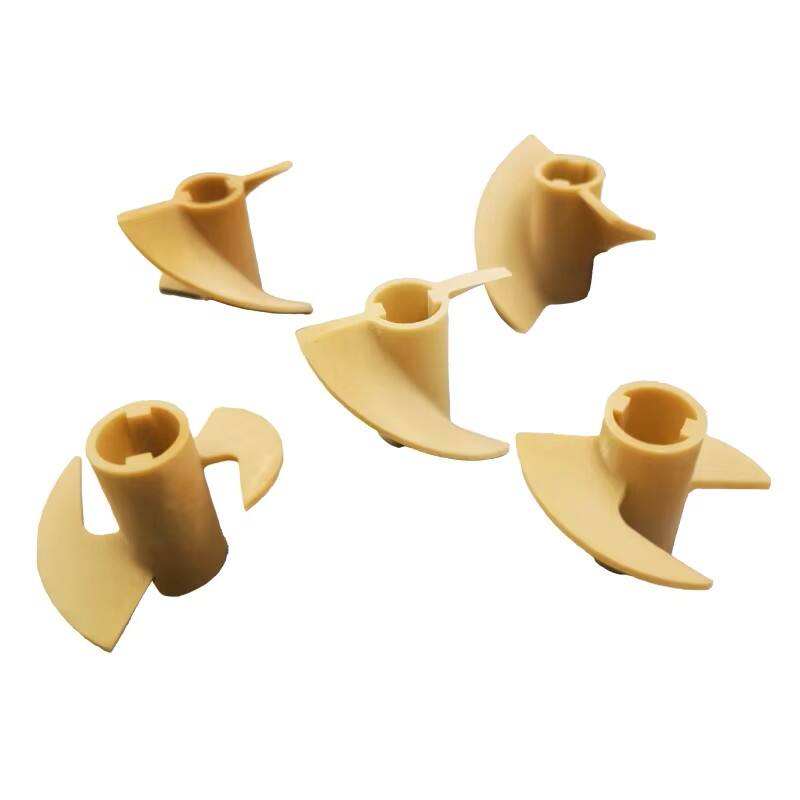
Kroky pro řešení běžných problémů se skleněným nylonem
U skleněným vláknem vyztuženého nylonu tomu tak v 3D tisku není vždy. Pokud máte potíže, nezoufejte! Existují způsoby, jak je opravit. Jedním běžným problémem je deformace. Deformace nastává, když se okraje tisku začnou zvedat a nelepí se správně na stavbící platformu. Chcete-li tento problém vyřešit, ujistěte se, že je stavěcí deska dostatečně zahřátá. Zahřívaná deska může pomoci udržet nylon rovinnost během chladnutí. Můžete také využít dobrého lepidla nebo povrchové úpravy na stavěcí desce, která pomůže s přilnavostí první vrstvy
Možná se potýkáte s špatnou adhezí vrstev, která je známá tím, že ji způsobuje několik faktorů. Je to známka toho, že se vrstvy nedostatečně spojují při tisku, a váš tisk bude křehký. Pokud k tomu dojde, upravte laser. Zpomalení laseru nebo naopak zvýšení jeho výkonu může umožnit lepší spojení vrstev. Také ověřte kvalitu prášku. Starý nebo kontaminovaný prášek nebude dobře fungovat, vždy používejte nový a z důvěryhodného zdroje, například When-Stone
Občas se na tisku mohou objevit rozeznatelné čáry nebo povrchové vady. To může být nepříjemné, ale často lze problém vyřešit doladěním tloušťky vrstvy. Menší tloušťka poskytuje hladší povrch. Nadbytečný prášek mimo tisk: může být způsoben nerovnoměrným rozprostřením prášku. (the jolly lumberjack) Pravidelná údržba a kalibrace zařízení jsou klíčové pro úspěch vaší práce
Nakonec zkontrolujte uživatelskou příručku nebo kontaktujte podporu Whale-Stone, pokud slyšíte zvláštní hluk a stroj přestane tisknout. Jsou tu, aby vám pomohli, a mohou vyřešit většinu problémů za vás. Porozumění tomu, jak tyto problémy odstranit, vám může pomoci využít plný potenciál skleněným vlákny vyplněného nylonu při 3D tisku s tímto materiálem
Obsah
- Co je skládaný nylon a proč ho tisknout pomocí SLS
- Nejlepší zdroje skleněným vláknem vyztuženého nylonu pro průmyslové tiskové práce ve velkém množství
- Nastavení SLS 3D tisku pro skleněným vláknem vyztužený nylon: Jak je optimalizovat
- Které jsou nejvhodnější odvětví pro využití 3D tisku sklem vyplněného nylonu
- Kroky pro řešení běžných problémů se skleněným nylonem